
GLOBAL RESEARCH SYNDICATE
No Result
View All Result
  • Login
  • Latest News
  • Consumer Research
  • Survey Research
  • Marketing Research
  • Industry Research
  • Data Collection
  • More
    • Data Analysis
    • Market Insights
  • Latest News
  • Consumer Research
  • Survey Research
  • Marketing Research
  • Industry Research
  • Data Collection
  • More
    • Data Analysis
    • Market Insights
No Result
View All Result
globalresearchsyndicate
No Result
View All Result
Home Data Collection

Genetics study shows why some Yellowstone wolves dodge mange | Montana Untamed

globalresearchsyndicate by globalresearchsyndicate
February 15, 2021
in Data Collection
0
Genetics study shows why some Yellowstone wolves dodge mange | Montana Untamed
0
SHARES
6
VIEWS
Share on FacebookShare on Twitter


Lab work

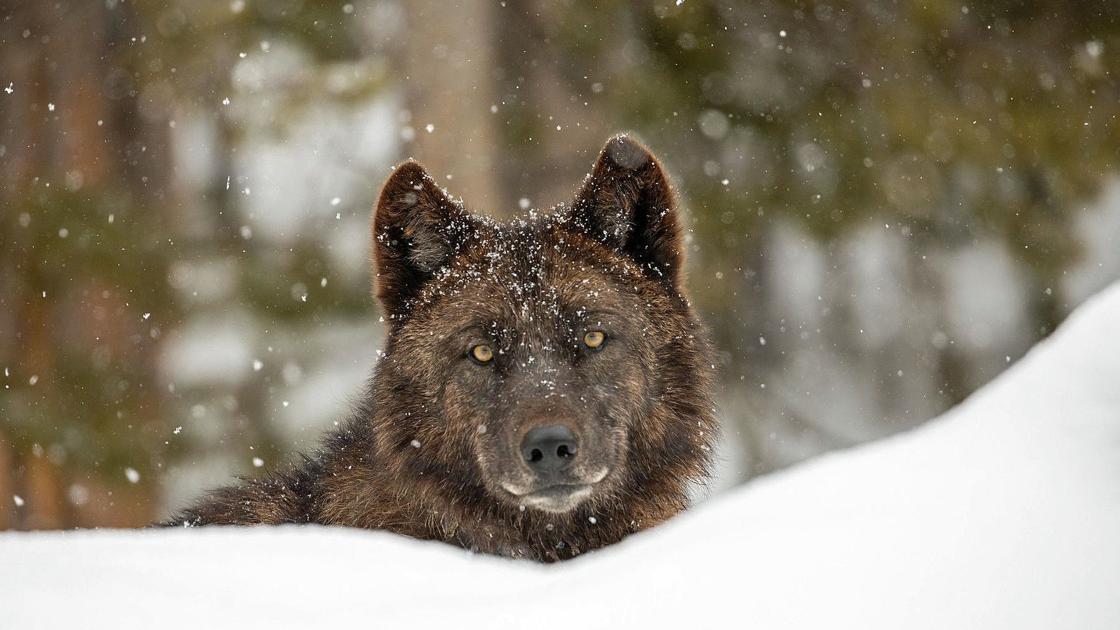
Alexandra DeCandia spent years working on her doctoral thesis on wolf genetics in Yellowstone and its effects on how wolves experience mange. With her colleagues, DeCandia found support for the “monoculture theory”: wolves with severe mange tend to have less genetic variation than wolves with mild symptoms.


Courtesy photo


Responses

Mange isn’t specific to wolves. It’s also found in more than 100 other mammals. In humans the infections are referred to as scabies. Animals infected by mange vary in the severity of their reactions, which can range from itchy skin lesions to hair loss, weight loss, secondary infections and even death.

These varied reactions, DeCandia and her fellow researchers found, can depend on an animal’s genetic diversity. More genetic variety gives an animal better tools to fight the infection.

“We noticed some very different responses,” DeCandia said. “Some wolves clear the infection in a short amount of time. Others develop really severe symptoms, like over 50 percent hair loss or secondary infections. It’s really a stark contrast between the two responses. So we wanted to know if there was a genetic component.”

The scientists compared the situation to one in agriculture known as the “monoculture effect.” Plants with a similar genetic composition, like a field of corn, will be less likely to fight off a disease, allowing it to spread throughout the entire population.

“Genetics are this really powerful tool for helping us learn about wildlife populations, whether in Yellowstone or captivity,” DeCandia said. “It tells us so much about their health and allows us to look into their past.”


Related Posts

How Machine Learning has impacted Consumer Behaviour and Analysis
Consumer Research

How Machine Learning has impacted Consumer Behaviour and Analysis

January 4, 2024
Market Research The Ultimate Weapon for Business Success
Consumer Research

Market Research: The Ultimate Weapon for Business Success

June 22, 2023
Unveiling the Hidden Power of Market Research A Game Changer
Consumer Research

Unveiling the Hidden Power of Market Research: A Game Changer

June 2, 2023
7 Secrets of Market Research Gurus That Will Blow Your Mind
Consumer Research

7 Secrets of Market Research Gurus That Will Blow Your Mind

May 8, 2023
The Shocking Truth About Market Research Revealed!
Consumer Research

The Shocking Truth About Market Research: Revealed!

April 25, 2023
market research, primary research, secondary research, market research trends, market research news,
Consumer Research

Quantitative vs. Qualitative Research. How to choose the Right Research Method for Your Business Needs

March 14, 2023
Next Post
Medical Imaging Market Valuation to Reach USD 45,719.65 Million by 2025 at 6.52% CAGR, Estimates Market Research Future (MRFR)

Walkie Talkie Market Is Predicted to Touch USD 5.26 Billion by 2026 at a 10.14% CAGR

Categories

  • Consumer Research
  • Data Analysis
  • Data Collection
  • Industry Research
  • Latest News
  • Market Insights
  • Marketing Research
  • Survey Research
  • Uncategorized

Recent Posts

  • Ipsos Revolutionizes the Global Market Research Landscape
  • How Machine Learning has impacted Consumer Behaviour and Analysis
  • Market Research: The Ultimate Weapon for Business Success
  • Privacy Policy
  • Terms of Use
  • Antispam
  • DMCA

Copyright © 2024 Globalresearchsyndicate.com

Welcome Back!

Login to your account below

Forgotten Password?

Retrieve your password

Please enter your username or email address to reset your password.

Log In
This website uses cookies to improve your experience. We'll assume you're ok with this, but you can opt-out if you wish. Cookie settingsACCEPT
Privacy & Cookies Policy

Privacy Overview

This website uses cookies to improve your experience while you navigate through the website. Out of these cookies, the cookies that are categorized as necessary are stored on your browser as they are essential for the working of basic functionalities of the website. We also use third-party cookies that help us analyze and understand how you use this website. These cookies will be stored in your browser only with your consent. You also have the option to opt-out of these cookies. But opting out of some of these cookies may have an effect on your browsing experience.
Necessary
Always Enabled
Necessary cookies are absolutely essential for the website to function properly. This category only includes cookies that ensures basic functionalities and security features of the website. These cookies do not store any personal information.
Non-necessary
Any cookies that may not be particularly necessary for the website to function and is used specifically to collect user personal data via analytics, ads, other embedded contents are termed as non-necessary cookies. It is mandatory to procure user consent prior to running these cookies on your website.
SAVE & ACCEPT
No Result
View All Result
  • Latest News
  • Consumer Research
  • Survey Research
  • Marketing Research
  • Industry Research
  • Data Collection
  • More
    • Data Analysis
    • Market Insights

Copyright © 2024 Globalresearchsyndicate.com



