

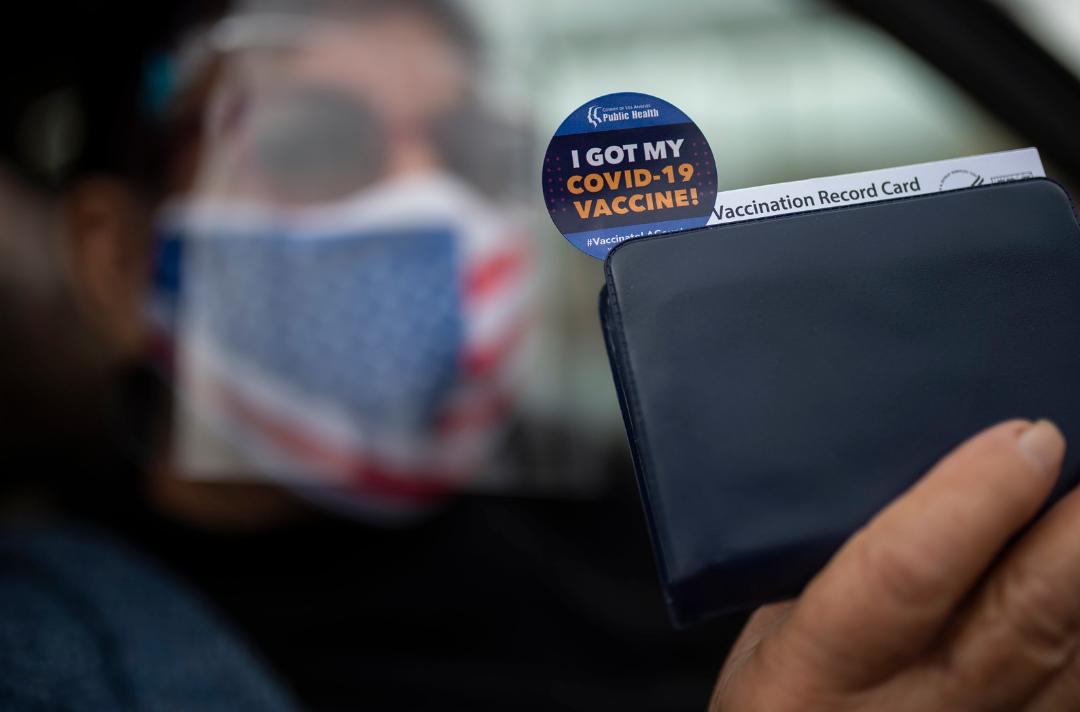
BOULDER – LGBTQ Advocacy group Out Boulder County, Colorado has completed what may be the nation’s first survey of COVID-19 vaccine reluctance among LGBTQ people.
The survey offers a look into the attitudes of a community that has often gone unseen in public health efforts because information about sexual orientation and gender identity is rarely collected in federal, state or local health data.
For example, there are no questions about sexual orientation or gender identity on the U.S. Census, and the Department of Health and Human Services rarely collects this information in its public health surveys or other data gathering.
This lack of data collection in California prompted California State Sen. Scott Wiener to sponsor SB 932, legislation, which was later signed into law by California Governor Newsom last Fall, to require the state to collect LGBTQ data during the COVID-19 crisis, including infection, hospitalization, ICU, recovery, and mortality rates.
“We know that COVID-19 is harming the LGBTQ community, but because no data is being collected, we’re hamstrung in making the case to devote attention and resources,” said Wiener. “The history of the LGBTQ community is a history of fighting against invisibility. Without data, we quickly become an invisible community and risk being erased. California must lead and collect this critical health data.”
“If LGBTQ people are not identified in data collection, we cannot be seen by public health agencies, hospital systems and other health care organizations,” said Mardi Moore, executive director of Out Boulder County, which provides advocacy, services, programs and support to Boulder County’s LGBTQ communities in a media release. “If they don’t see us, we don’t exist, and getting resources allocated to us is nearly impossible. Sexual orientation and gender identity have to be part of the data that health organizations collect,” she added.
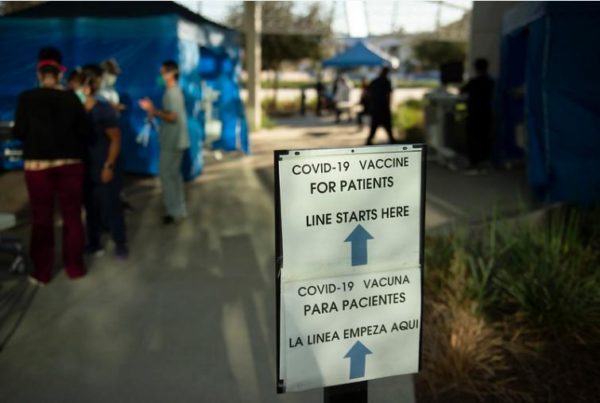
When it comes to COVID-19 vaccine reluctance, this information is crucial to an effective community vaccination program, which requires participation by people of every demographic. Like members of many marginalized groups, LGBTQ (lesbian, gay, bisexual, transgender and queer) people may have greater distrust of health care systems or the government – both of which can contribute to reluctance to get the COVID-19 vaccine.
Studies around the U.S. have examined this reluctance among Black, Hispanic and other people of color, as well as by political affiliation. The survey by Out Boulder County is the first to look at attitudes among LGBTQ people. It’s a reminder that LGBTQ identity has the potential to be nearly as important as race/ethnicity or political affiliation in determining whether a person is willing to get the COVID-19 vaccine.
As Los Angeles County officials ramp up efforts to vaccinate critical healthcare workers and the County’s at risk elderly population, on Monday the Los Angeles Times reported that Black, Latino and Native American seniors in Los Angeles County are receiving COVID-19 vaccinations at a lower rate than white, Asian American and Pacific Islander seniors, according to data released Monday.
“The findings raised new concerns about inequity in the troubled rollout of vaccines among those 65 and older and add pressure on county leaders to do a better job of getting communities of color immunized,” a public health official told the Times.
That inequity is raising concerns among healthcare providers regarding LGBTQ seniors a public health source told the Blade. Adding to those concerns are hesitancy among those seniors to be vaccinated.
Los Angeles Mayor Eric Garcetti addressed those concerns in a commentary piece written last month for the Blade;
“I know there is some hesitation around this vaccine, particularly among Black and LGBTQ+ Angelenos. Generations of unequal access to quality care, rooted in systemic inequity, only deepened by COVID-19. The legacy of the racist Tuskegee Syphilis Study and the deceitful use of Henrietta Lacks’ cells. An American government that turned its back and averted its eyes as HIV/AIDS wiped out gay men en masse,” the Mayor wrote.
“These memories are painful and searing –– each one grounds for mistrust and suspicion.”
But I want to assure anyone reading: every vaccine reaching our communities is safe. Every dose has been tested and authorized by the very best public health professionals in the world, with a technology that has been in development for two decades. Our doctors, nurses, and paramedics are already receiving it, and our medical experts would not allow it into our hospitals if they didn’t believe in it,” he said.
The Out Boulder County COVID-19 Vaccine Reluctance Survey found, if a vaccine were available today, 17% of respondents who identified as LGBTQ were hesitant or reluctant to take it compared to just 9% of non-LGBTQ respondents.
The respondents most reluctant to receive a vaccine were cisgender LGBTQ individuals assigned a female sex at birth: 26% answered “no” or “unsure” when asked if they would take the vaccine. 18% of transgender respondents assigned a female sex at birth gave those answers. And, only 6% of non-LGBTQ people assigned a female sex at birth gave those answers.
Overall, 18% of people assigned a female sex at birth expressed COVID-19 vaccine reluctance, versus 9% of those assigned a male sex at birth. Wider surveys have consistently shown that women are more reluctant than men about getting a COVID-19 vaccine.
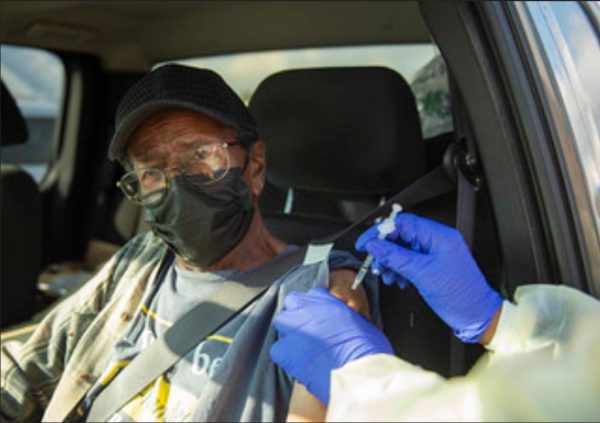
There was little difference in reluctance between cisgender and transgender people assigned a male sex at birth. Other results included a correlation among people who regularly get a flu vaccine and those who are likely to get a COVID-19 vaccine: 91% of those who get a flu shot every year are likely to get the COVID-19 vaccine.
In contrast, only 34% of those who never get a flu shot are likely to get the COVID-19 vaccine. Overall, however, respondents seem more open to a COVID-19 vaccine than to an annual flu shot: While only 76% of respondents get the flu shot every year or most years, 84% intend to get a COVID-19 vaccine.
Among the barriers respondents listed most often were safety concerns, needing more information, concerns about effectiveness and distrust of the government.
While it’s not clear whether LGBTQ people are more likely to hesitate about getting a COVID-19 vaccine, it is clear that overall vaccine efforts will benefit from outreach, communication and distribution efforts targeting members of this community.
This includes public health messaging campaigns to LGBTQ people, personal physicians talking about vaccination with their patients and delivering the vaccine in areas with significant LGBTQ communities.
The Out Boulder County COVID-19 Vaccine Reluctance Survey also called attention to the unique challenges and concerns of the approximately 1.2 million HIV-positive people in the U.S.
Several survey respondents noted the dearth of information about how the vaccine might affect those with HIV. They pointed to a lack of disclosure from vaccine makers about whether their trials included HIV-positive individuals, let alone how those individuals may have responded to the vaccine. They also noted fear of interaction between the vaccine and HIV medications.
But, Moore notes, underlying all of this work is data. “Right now, because they don’t track sexual orientation or gender identity, public health agencies don’t even know who we are or where we live,” Moore said. “Without that information, it’s incredibly challenging to make sure that LGBTQ people are equitably included in COVID-19 vaccine distribution.







