

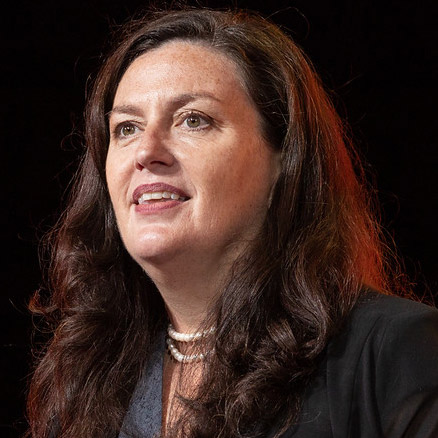

Larry Kramer has eloquently made the case that there is no one-size-fits-all answer to the question of how foundations should respond to moments of crisis. In our conversations with foundations across the country, the Council on Foundations is hearing from many who have decided to boost payout, while others tell us they need to preserve assets so they can continue to invest in solutions to the long-term challenges facing their communities and the world.
Since COVID-19 began its devastating course, foundations of all types and sizes have stepped up with new commitments of support. The philanthropic response to COVID-19 in the United States so far has totaled $6.7 billion. More than 600 community foundations across all 50 states, plus the District of Columbia, have mobilized more than $1.03 billion and made grants of more than $850 million.

Up for Debate: Should Foundations Increase Their Payouts During Big Crises?
Clearly, philanthropy is responding to this unprecedented moment with increased attention and higher levels of giving for COVID-19 response. But focusing solely on how much we are giving as a field and as individual grantmakers is not enough. We must also focus on the how of our giving, or the types of support we are providing to nonprofit organizations. Is this a moment when philanthropy will finally make strides in transforming historic funding practices that favor restricted project support and erode the effectiveness and sustainability of nonprofits in good times and bad?
The early indications of change are encouraging. The Council worked with partners on a pledge of action signed by nearly 800 foundations to support nonprofits in a deeper way because of the COVID-19 crisis. As stated in the pledge, this can mean converting project-based funding to unrestricted support and making new grants as unrestricted as possible, among many other steps. In a September report from the Council, in partnership with Philanthropy California and Dalberg Advisors, we found that a significant number of funders were indeed making these and other practice shifts in response to Covid-19 and the global uprisings for racial justice.
For foundations to adopt these kinds of changes now and then return to the status quo in the aftermath of these events would be an opportunity lost. In the same way that the crises of 2020 have transformed how we think about the racial divides in our society, or about essential workers, or about the gaps in our health care system, the current moment also presents a chance to think differently about philanthropy itself, including our go-to grantmaking practices.
Kramer acknowledges the power of unrestricted general operating support to help nonprofits build reserves and manage downturns in the economy. Citing the fact that most nonprofits do not have adequate reserves, he places the blame primarily on funders offering “tightly controlled project grants.”
It has been a common refrain in the philanthropic and nonprofit communities for years, with groups from the Center for Effective Philanthropy and Grantmakers for Effective Organizations to the Nonprofit Finance Fund regularly advocating for funders to prioritize general operating support and multiyear grants. These appeals have been accompanied by similar appeals from nonprofit leaders, individual funders, and collaboratives like the Trust-Based Philanthropy Project.
Despite the growing chorus, nonprofit organizations continue to struggle to find the unrestricted resources they need. Groups simply do not have the financial cushion to sustain their operations and impact during times of crisis, let alone build strong organizations for the long haul. In the Nonprofit Finance Fund’s latest State of the Nonprofit Sector Survey, they found that nonprofit organizations are “moving forward with determination and creativity” even as they face deep concerns about the financial health of their organizations. Among the top challenges reported by the 3,000 organizations surveyed: financial sustainability (62 percent); raising funding to cover full costs (57 percent); and offering competitive pay (66 percent).
It’s not just philanthropy that is causing these problems. Studies have shown that government contracts with nonprofit organizations pay only 70 percent of their direct program expenses and less than half of indirect expenses. Nonprofits have to raise additional general operating support just to subsidize their government contracts and keep them whole. Our federal government doesn’t underpay other types of contractors for the work they do. So why is it okay to underpay nonprofits?
The US Congress took a step towards supporting the social sector early last year by making many nonprofit organizations eligible for the Paycheck Protection Program (and other relief programs) in the CARES Act. Looking forward, philanthropy can play a vital role in helping lawmakers and government officials at all levels understand what nonprofits truly need to meet their missions.
If we have learned anything from the events of 2020, it is that we as a society have urgent work to do to advance racial justice and build the strength and resiliency of our communities. Nonprofit organizations are central to that work. There may be differences of opinion on the question of whether to pay out more to nonprofits in times of crisis. But on the question of how best to support nonprofits to be strong in good times and bad, the answer is clear. Here’s hoping we emerge as a field from 2020 with a fresh commitment to giving nonprofits the flexible, long-term support they need.







