Covid-19 vaccination is a new social dividing line: Those who have been vaccinated will likely encounter fewer barriers to travel and may have easier access to indoor spaces, from offices and schools to concert venues and restaurants. Everyone else, meanwhile, will remain subject to the familiar routine of travel restrictions, quarantining, and testing.
Some health technology experts are advocating for the development and use of digital “vaccine passports,” a smartphone app that could certify its user’s vaccination status with an airline or immigration official, employer, or anyone else who needs to know. Vaccine passports could help get the global economy back on track, but at the risk of discriminating against people who lack access to either the vaccination or the technology to certify they’ve had it.
What is a vaccine passport?
Vaccine passports won’t be a passport in the traditional sense of serving as an official government record. Instead, they’d just be proof of vaccination. Some airlines or other businesses may require a vaccine passport to enter as they slowly reopen.
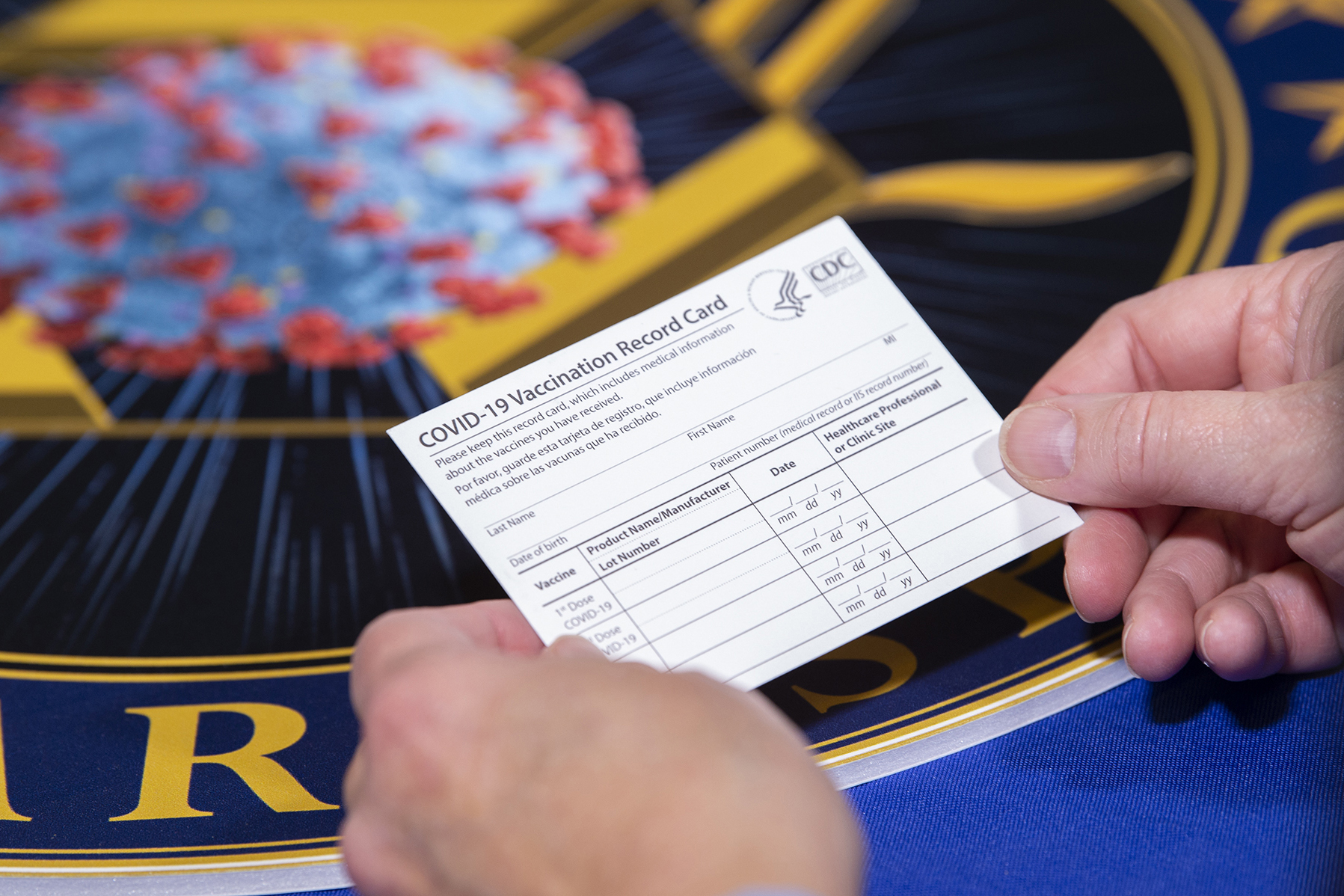
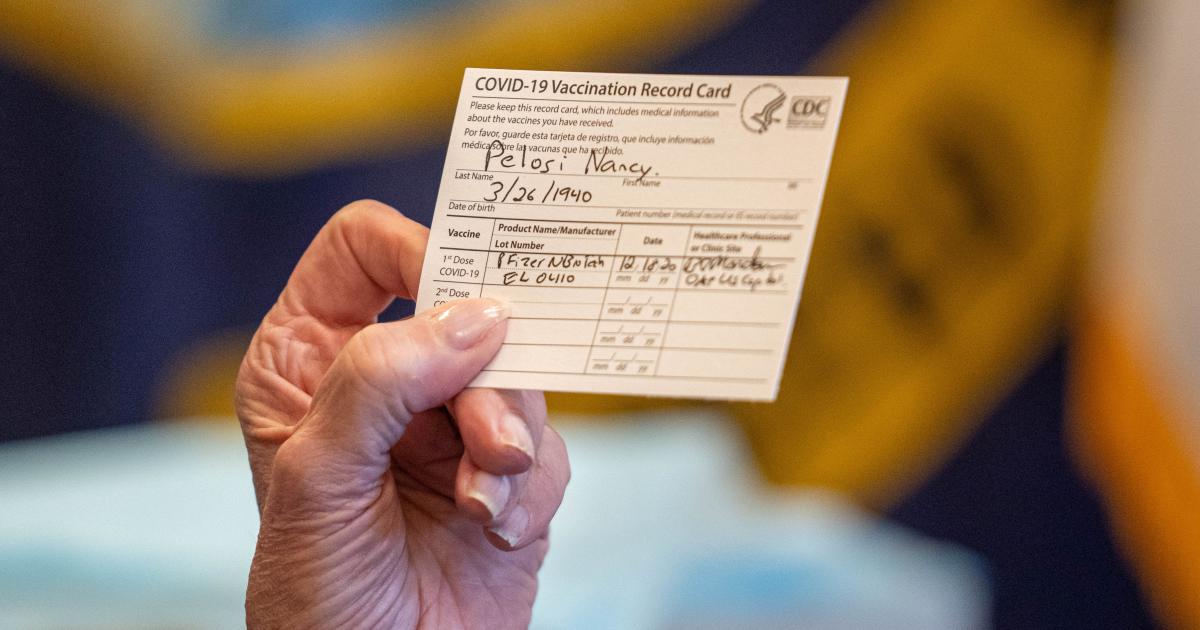
In the US and EU, where the most first-phase vaccinations of healthcare workers and the elderly have taken place, those who get the shot typically receive a printed card with information about which vaccine they were administered and any required followup visits. These cards are similar to the yellow vaccination cards distributed when a person gets vaccinated for travel to certain countries, but they primarily serve as reminders to the holder of which shots they received.
A vaccine passport, however, would act more like a digital ID card. In theory, employers or airports would be able to scan an app or QR code that officially tells others if the holder has had their Covid-19 shots. It’s a similar concept to the immunity passports some governments discussed issuing in the early days of the pandemic to indicate which people had recovered from Covid-19, but scientists are more certain that people who have gotten the vaccine will have protective antibodies.
Vaccine passports will also help scientists learn more about the effectiveness of the Covid-19 vaccines available, too. “Having trustworthy and reliable proof of vaccination for COVID-19 vaccine will be essential for public health purposes, such as studies on vaccine effectiveness, vaccine impact, coverage monitoring and monitoring of adverse events following immunization,” a World Health Organization spokesperson told Newsweek this month.
When will they be available?
Vaccine passports are not yet widely available, but several private companies and government agencies are working on different versions that should begin to surface widely in the first half of 2021. CommonPass, an app being developed by the World Economic Forum in coordination with executives and officials from 52 countries, is undergoing trials with international airlines including United and Cathay Pacific. The International Air Transport Association is also finalizing an app, and the government of India is developing a smartphone certificate. An app developed by Israel for use there is expected to come out on Jan. 5.
So far, no major airlines have said that they plan to make proof of vaccination a prerequisite for boarding. As for a paper addition to the standard yellow card, the WHO said that would need to be approved by member states and won’t happen until access to the vaccine is more universal—which isn’t likely to happen before late 2021 or 2022.
How will they work?
The CommonPass app allows users to access digital vaccination records, either from their healthcare provider, government registries, or from a personal health record like Apple Health. The data is held locally on an individual’s phone, rather than in a central database, to reduce the risk of hacking and to let users delete the data any time. The app is designed to vet the authenticity of these records and ensure that they meet the requirements of whatever country the user is traveling to. The app then generates a QR code that presents the vaccination record as a simple yes/no—rather than anything more detailed that could compromise privacy.
What are the downsides of using vaccine passports?
The most obvious ones are privacy and security. Immunization records, while not full health records, could potentially contain other information you’d want to keep private, like your email address, home address, or date of birth. The developers of CommonPass, for one, have promised that the app will use only the bare minimum of personal data and that the data will only ever be used for user-approved purposes.
But there’s always a risk that hackers or unscrupulous government agencies could use a vaccination database for nefarious purposes, like targeting certain communities for surveillance. Apps could also be hacked to display false certificates for those who haven’t gotten vaccinated.
The other problem is equity of access. An app could exclude those who don’t own a smartphone, which includes more than half of the global population. And systems that require an address could exclude people without homes. India’s vaccine passport, for example, will be linked to Aadhaar, the country’s biometric ID system, which, a decade after its rollout, still leaves out more than 100 million people, especially people experiencing homelessness or with a nonbinary gender identity.
Will you still have to wear a mask even if you have a vaccine passport?
Yes. First, there’s the issue of timing: It could take months for everyone who wants a vaccine to get both of their jabs. While some people aren’t vaccinated, it remains important to take precautions against the virus.
Second, there are still some long-term questions about the vaccines that scientists can’t answer yet, like how long each type of Covid-19 vaccine offers protection, and if they fully prevent viral transmission. These answers will take time—and maybe even vaccine passports—to uncover. In addition to continued clinical trials, scientists and public health officials can watch case counts and hospitalization rates to get an idea of how well vaccines are working to curb the pandemic.
But for now, it’s important for everyone who has been vaccinated to practice the same precautions we have been during the pandemic. That means washing hands, maintaining adequate distance, and wearing masks.