

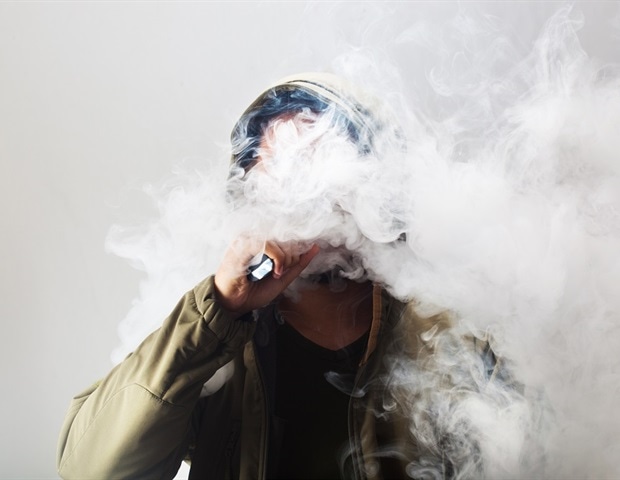
Before the COVID-19 pandemic, information about the dangers of vaping was emerging. To investigate the potentially serious health and respiratory implications of vaping, Mayo Clinic researchers wanted to better understand the factors influencing vaping in the community.
They were ready to launch a survey of young adults in rural and urban areas when COVID-19 shifted the focus of this survey.
In a recent article in SAGE Open Medicine, the team of investigators report on vaping among adults ages 18-25 during the pandemic and their use of other common substances, such as alcohol, marijuana and tobacco. Inserting a timely additional survey question allowed the team to better understand the effects of compounding daily stresses with a public health crisis.
As COVID-19 came on the scene, it was primarily thought to have severe respiratory implications. Since we were about to launch a study examining the factors associated with vaping use, which can lead to lung injury, it made sense to revise our questionnaire slightly to address the broader question of the use of vaping and other common substances during a respiratory disease pandemic.”
Pravesh Sharma, MD, Study Lead Author and Psychiatrist, Mayo Clinic Health System
“We found shifts in substance use across the board,” says Dr. Sharma. “Most concerning was a significant increase in alcohol use.”
About the research
Dr. Sharma and his team develop a survey for patients who were seen for any reason in any outpatient setting at any Mayo Clinic location across the Midwest. The survey was emailed in April to 6,119 adults, ages 18-25 as of Jan. 24, who had been seen in the 4.2 months prior to the survey being sent.
The survey came on the heels of state and local governments announcing stay-at-home orders and social distancing guidelines in March due to COVID-19.
The team’s planned survey collected information on vaping attitudes and behaviors, as well as the types of vaping products used, including nicotine, marijuana extracts and oils, and other substances. The survey also asked respondents if any of their use had increased or decreased since the COVID-19 pandemic began.
“Substance use is highest in the young adult age group, so we wanted to target this population,” says Dr. Sharma. “We would like to understand why they vape and what their attitudes were regarding the potentially harmful nature of vaping.”
Of 1,018 respondents, more than half, or 542, reported vaping or using marijuana, tobacco or alcohol, during the COVID-19 pandemic. Of the respondents, 269 self-reported having an anxiety disorder and 253 reported having depression. Of note, the authors write that study limitation are a reliance on self-reporting of these behaviors and disorders, as well as a 16.6% response rate.
Given that COVID-19 emerged as a primary respiratory illness and vaping had been increasingly connected to lung damage, the team expected to see a reduction in vaping and smoking. The paper reports that 34.3%, or 186 people, reported a change in their use patterns due to COVID-19:
- Nearly 70% increased alcohol consumption.
- Vaping decreased in 44% of people, while 27.9% of people increased use.
- Tobacco product use decreased in 47.3% of people, while 24.1% of people increased use.
- Of the 140 people who described a change in marijuana use, 39.2% increased use and 36% decreased use.
Using a previously validated scale, the researchers also measured loneliness among the participants and collected self-reported depression and anxiety information.
“We did see some reduction in inhaled substances, which could mean that young adults were reacting to the news coverage of COVID-19’s respiratory effects,” says Dr. Sharma.
“However, we saw that the more lonely, depressed or anxious these young people felt, the more likely they were to change their usage,” he says. “They may be trying to cope with social and emotional strain by adding or replacing one substance with another, especially if their access to other support is limited.”
“In this time of COVID-19, when we are focused on symptoms of infectious diseases, we need to remain vigilant about changes individuals experience with substance use,” says Jon Ebbert, M.D., an internal medicine physician at Mayo Clinic in Rochester, Minn., and a study co-author.
“During the time of this pandemic, screening for substance use, loneliness, anxiety, and depression is crucial,” states Dr. Sharma. “Just asking, ‘How are you holding up during this difficult time’ goes a long way.”
Drs. Sharma and Ebbert agree it is important for people to be aware of the effect of the pandemic on their well-being.
“As loneliness, anxiety and depression can potentially fuel increases in alcohol consumption during these times of social distancing, introspection with ourselves and observation of our social supports are critical for identifying and addressing substance use issues early,” says Dr. Ebbert.
Dr. Sharma suggests checking in regularly with friends and family, inquiring about their well-being, and maintaining a connection. “Social distancing should not mean social isolation,” he says.
He and fellow authors also highlight nontraditional socialization opportunities as essential during the continuing COVID-19 pandemic, especially for people with poor emotional health and loneliness.
Source:
Journal reference:
Sharma, P., et al. Changes in substance use among young adults during a respiratory disease pandemic. SAGE Open. doi.org/10.1177/2050312120965321.






