

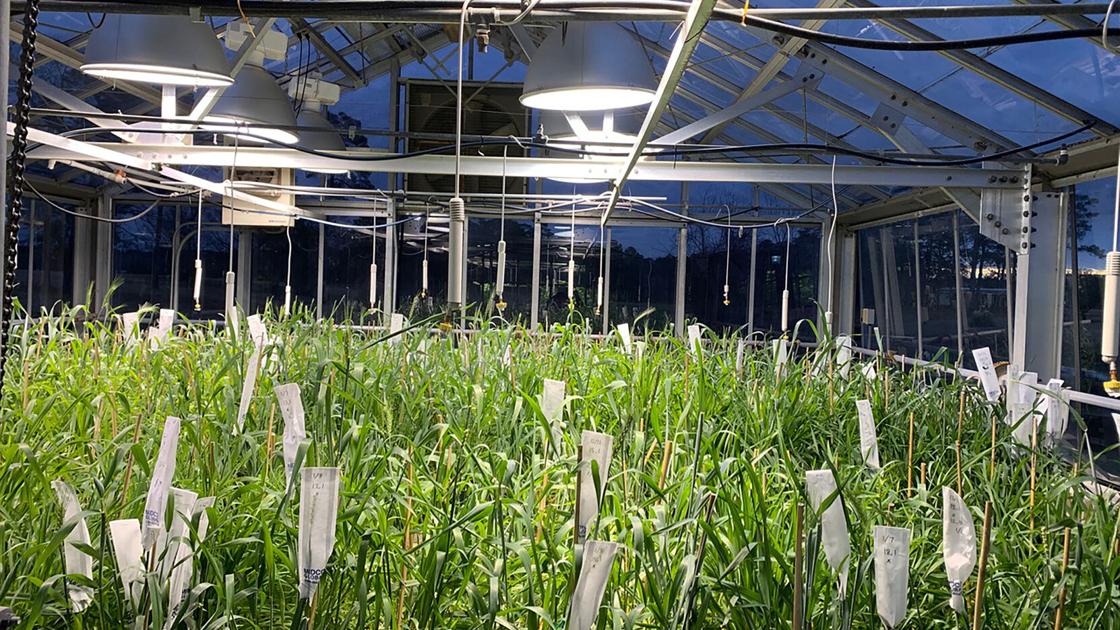
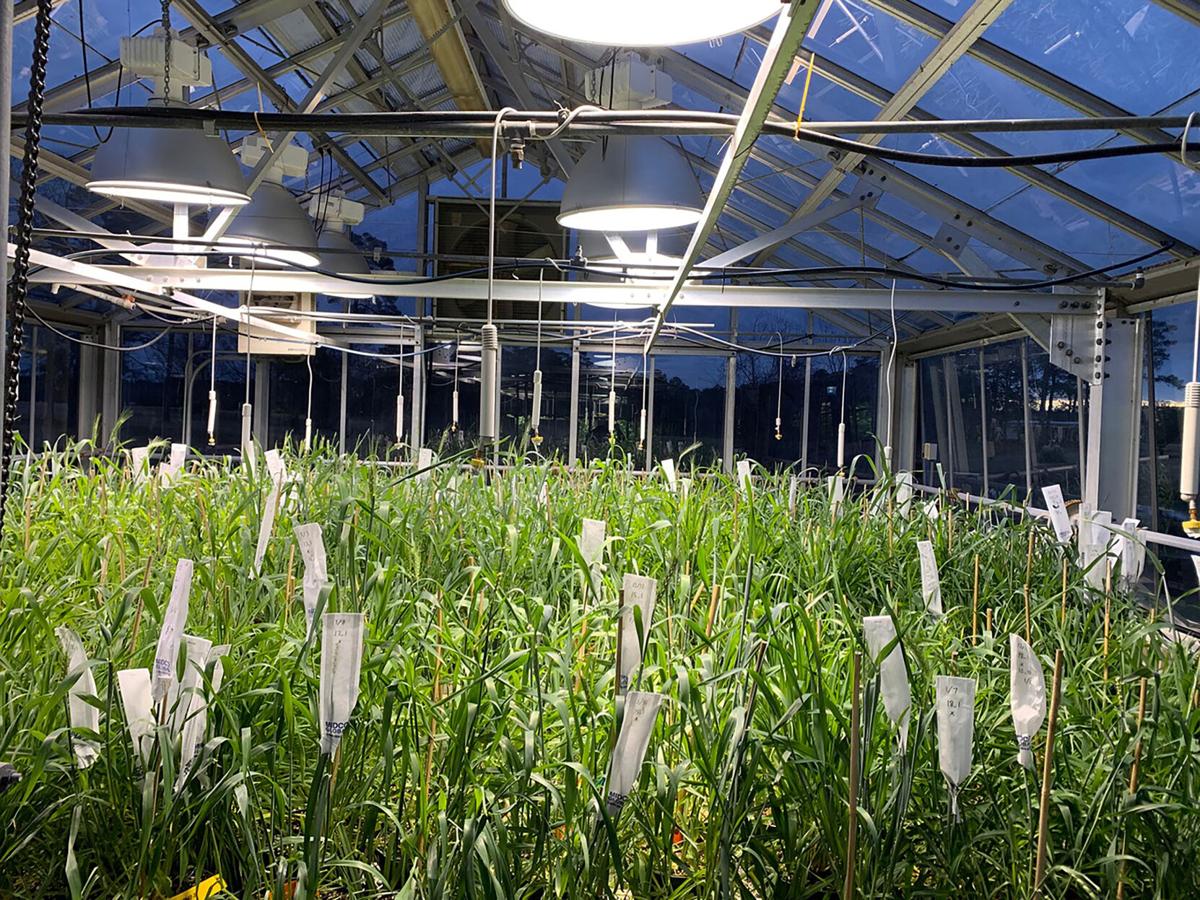
SunGrains is helping Clemson University add a robust plant breeding program that is already conducting variety research in an array of crops important to the South Carolina agriculture industry, including peaches, soybeans, cotton, sorghum and others.
SunGrains is helping Clemson University add a robust plant breeding program that is already conducting variety research in an array of crops important to the South Carolina agriculture industry, including peaches, soybeans, cotton, sorghum and others.
A partnership with a cohort of Southeastern land-grant research universities is helping Clemson clear a major hurdle toward reviving its small grains breeding program: gathering the material to get started.
Genetic material, that is, or germplasm.
The Southeastern University Small Grains Cooperative Breeding Program (SunGrains) brings together small grains programs from member universities across the region – Arkansas, Georgia, Florida, North Carolina State, LSU, Texas A&M and, now, Clemson – to maximize funding and research opportunities and share resources and royalties.
SunGrains co-founder and N.C. State Professor Paul Murphy said the program’s approach to university plant breeding has been successful as a model for collaborative research endeavors and allowed the respective breeding programs at each institution to accomplish far more than would be individually possible.
“My experience is that it has immense benefits in efficiencies in basic and applied research, communication on issues big and small and, particularly in the era of big data research, this framework is a game changer,” Murphy said. “Each member of SunGrains has different professional strengths, so the entity is much larger than the sum of its parts. My goals have not changed as a small grains breeder, but I am working toward those goals in a much more efficient and timely manner because of SunGrains.”







