

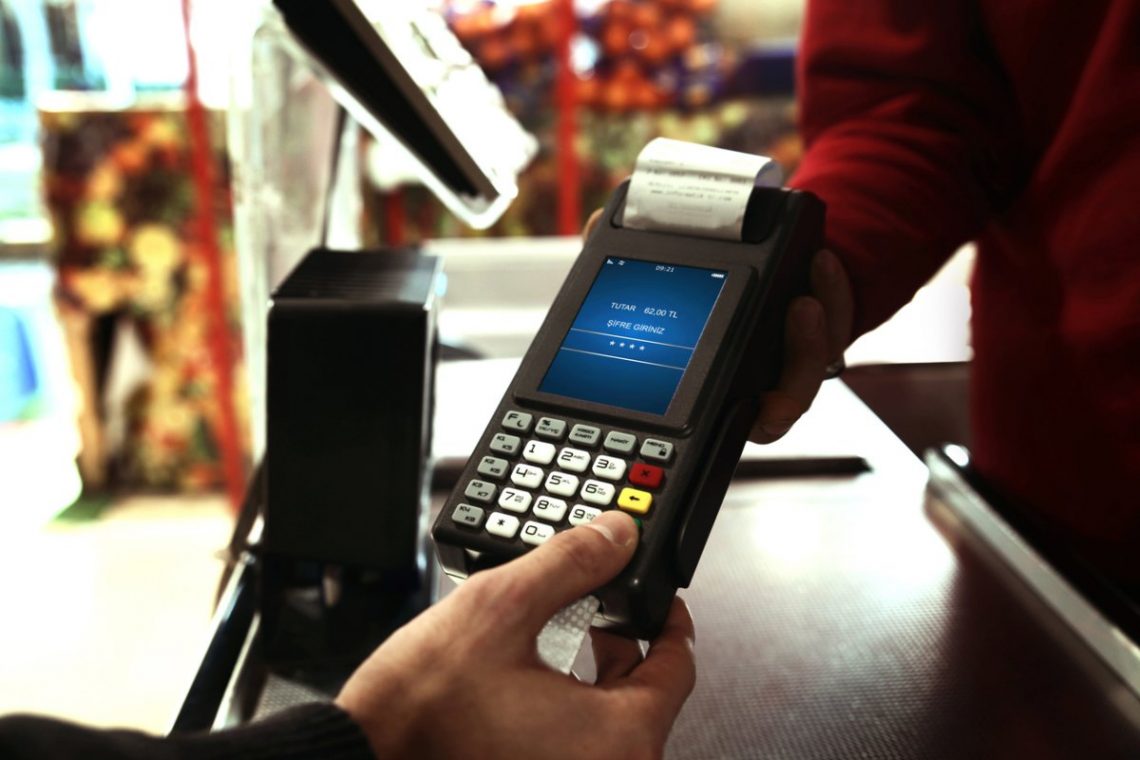
A credit card transaction might seem as simple as a swipe, dip, or tap, but it involves multiple steps and players. Payment processing is how businesses complete credit card and debit card transactions. Payment processing services expedite card transactions, and payment gateways securely transmit data so money from a customer’s issuing bank can be transferred to a merchant’s account. All of this happens in seconds. The end result is a customer who successfully makes a purchase without using cash or a check—and a business that completes a sale.
When you use a credit or debit card to make a purchase, a series of actions occurs electronically to complete the transaction. Payment processing involves a customer, a merchant/business, a payment processor, payment gateway, bank/credit card company, and merchant account/business bank. On the surface, a credit card transaction seems simple. All you do is swipe, a payment is accepted or declined, and you’re done. But there’s much more to it. During a single card transaction, a payment is processed, verified, accepted or declined, and money is transferred. The entire process takes seconds. Let’s walk through the steps.
Point of purchase is when a customer initiates a purchase with a merchant and provides a method of payment, which can include using a debit or credit card, cash, check, or money order. Today, even more consumers are using digital payment methods to make in-store and online purchases. According to a 2020 Deloitte report, the value of digital transactions globally reached $4.1 trillion in 2019 and is expected to grow by 13 percent each year until 2023.
A payment gateway is a tool that securely connects information that is sent through the payment processor from a customer’s bank to the merchant’s account. The payment gateway communicates a payment decline or acceptance, but it’s the processor that quarterbacks the transaction by seamlessly gathering card information from the customer’s issuing bank (credit card/debit card) to transfer to the merchant account.
Payment processors act like a shuttle, delivering information from the issuing banks of credit cards customers use to merchant accounts, where accepted payments ultimately land. The payment processor validates card security and facilitates the transfer of payment, moving money from the issuing bank to the merchant account.
The issuing bank is a financial institution associated with a customer’s credit card.
When a credit card transaction is processed and approved, the payment processing company facilitates the movement of money from the issuing bank to the merchant account. This is a bank account that enables a business to accept credit card, debit card and digital payments.
A point-of-sale system (POS) is the core of a merchant’s payment infrastructure. POS systems include hardware and software that allows merchants to take payments, track inventory, and facilitate other business functions such as scheduling appointments or tracking payroll. A point-of-sale system allows customers to select among various payment options, including a credit card like American Express, a digital wallet, a debit card, or an online payment. Ultimately, a merchant’s POS completes sales transactions, including adding in sales tax, accounting for promotions, and providing receipts.
A payment processor is not the same as a POS system However, some POS systems provide payment processing and a payment gateway as a bundled service. Learn more about point-of-sale systems and how they work.
A payment processor and payment gateway are not the same, but both are an integral part of completing a credit or debit card transaction. A payment gateway is a technology tool that establishes a secure connection to encrypt credit card data. The payment gateway moves data securely while the payment processor transfers funds.
The payment gateway verifies a card’s authenticity while preventing personally identifiable information from leaking during a transaction. When a cardholder makes a purchase, data from the card enters the payment gateway and is sent to the payment processor, which communicates with the issuing bank that will accept the charge. Once the transaction is verified by the card-issuing bank, a code is sent to the payment processor, which then transmits that code to the payment gateway. Next,the merchant and customer receive a payment completed message on the card reader. The whole process only takes a few seconds.
You might not need a separate payment gateway if you accept credit and debit cards through a POS system that offers this technology. For example, Square, captures customer data at the point of sale and works directly with payment gateways to route money from the issuing bank to a merchant bank.
Payment gateways are sometimes integrated with virtual credit card terminals or offered as an in-house service from a payment processor, so merchants can work with one entity to complete cardholders’ transactions. Businesses of all sizes should consider the importance of security, the added layer of protection from a payment gateway is appealing to many businesses.
A payment processor handles credit and debit card transactions for merchants, essentially acting as the mediator. Payment processors seek approval for a transaction, communicate with the cardholder’s issuing bank, and transfer funds into a merchant account. Businesses can opt for a subscription-based payment processing service with a monthly fee—there are various pricing models. Merchants can incur fees per credit/debit card transaction. These fees can include an interchange rate, otherwise known as a swipe fee, that is charged by the credit card issuer. Payment processors usually have transaction fees that are either interchange-plus or a flat-rate. The interchange-plus model is where the processor charges the fixed interchange fee and an additional fee on top of that. For example a processor might charge 1.8% of the purchase as the interchange fee and then an additional percentage or fee as well, such as 0.3%. Flat-rate fees are a static rate, usually above the interchange rate. A processor might charge a 2.9% fee based on the transaction, which would cover the expense of the interchange rate and then some.
Some processors will charge flat monthly fees for a payment gateway or merchant account that covers these essential services. Merchants can pay for incidental fees for situations like a chargeback or insufficient funds.
Payment processors should adhere to the Payment Card Industry Data Security Standard (PCI-DSS), according to the PCI Security Standards Organization. This means cardholder data is safely transmitted through a secure network. EMV chip cards add another layer of security against fraud and payment processors, and payment processors can provide EMV terminals.
Some payment processors bundle services, offering a payment gateway and merchant account so you can work with a single credit card processing entity to complete transactions.
Is there a difference between a payment processor and a credit card processor?
A payment processor facilitates credit card and debit card transactions. Payment processors handle credit card transactions, and sometimes are referred to as credit card processors.
What Is a Merchant Account?
A merchant account acts as a holding area for pending cardholder transactions. After a credit or debit card payment is processed and approved, it is funneled from the card-issuing bank to a merchant account. Then, those funds are credited toward a business’s bank account.
A merchant account and business bank account function differently. A business account handles expenses related to operations, such as paying for rent. A merchant account is only for credit card processing.
In the payment processing chain, the merchant account is the landing pad for payments. After cardholder transactions are successfully processed and approved, it transfers to a merchant account. Usually within 24 hours to three days, payments are moved from a merchant account via an ACH transfer to a business’s financial institution.
Payment processors assign merchants an account, where funds are held. Merchant accounts can be bundled with payment processors as an additional feature, or included with a POS system. Small businesses might choose to begin processing payments by associating with a payments aggregator (payment facilitators) like PayPal, Stripe, or Square to gain access to a master merchant account as a sub-merchant.
Credit Card Processing Companies
Learn More
Still looking for more information about credit card processing or trying to find the best credit card processing company for you? Explore the directory below to learn more.
Other Guides from 360 Reviews
We’re here to help with all your retail, restaurant, and e-commerce needs. Whether you are trying to grow a small business or expanding a successful large company, our guides and unbiased ratings can support your mission:
How U.S. News Evaluated Credit Card Processing Companies
We explain what matters most when it comes to credit card processing companies by sourcing opinions from business consumers, experts, and professional reviewers. Then we provide an unbiased evaluation of the credit card processing products. Our goal is to empower business consumers with the information and tools they need to make informed decisions. More information about our 360 Reviews methodology for evaluating credit card processing companies is here.
U.S. News 360 Reviews takes an unbiased approach to our recommendations. When you use our links to buy products, we may earn a commission but that in no way affects our editorial independence.






