

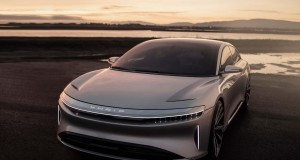

Lucid is just one of many new brands looking to crack open the American auto market.
Lucid Motors, a California-based EV maker, plans to unveil its first production model during a web event next month, the Lucid Air set to go on sale during the coming model year.
The startup is just one of a long list of new brands hoping to crack the U.S. market during the next several years, a list that also includes the likes of Fisker, Lordstown Motors, Faraday Future, Bollinger, Vantas, BYD, Great Wall and others.
The U.S. automotive market has long been a relatively closed club. While a handful of new brands have pried open the door in the past half century, far more have either shut down or walked away. But if even a fraction of these new entrants actually makes it into showrooms American buyers will soon have more brands to choose from than at any time since World War II.
(Lucid claiming 517 mile range for Air EV.)
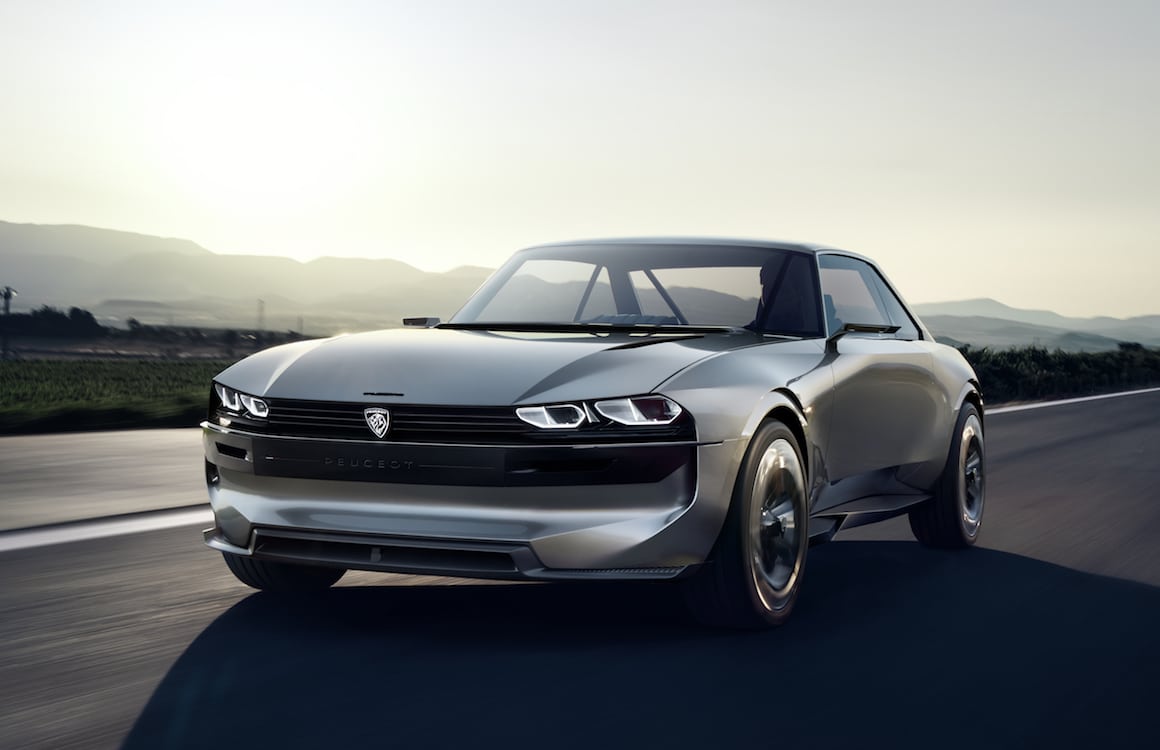
Peugeot simply wants back in after leaving the U.S. in 1992.
Automakers “have always wanted to get into the U.S. It’s a coveted market,” said Stephanie Brinley, principal automotive analyst with IHS Markit. “It’s a difficult market to get into, but not impossible (though) it takes a lot of volume to be profitable.”
During the past 120 years, the U.S. has seen more than 800 brands come and – most of them – go, according to the archives of the Henry Ford museum in Dearborn, Michigan. The vast majority of them popped up during the industry’s pioneering days, names like Chalmers, Maxwell and Duesenberg. The Depression wiped out hundreds of them. Others, such as Studebaker and Packard, struggled on through World War II but couldn’t generate the economies of scale needed in an increasingly costly business and were gone by the 1960s.
The post-War period did see the arrival of a new wave of import brands, including European marques such as Renault, Volkswagen, BMW and Mercedes-Benz, as well as Japanese players like Toyota, Honda and Nissan. Even among them, many struggled. The 1990s kicked off a new exodus, names like Renault, Peugeot, Fiat, Daihatsu and Suzuki falling by the wayside.
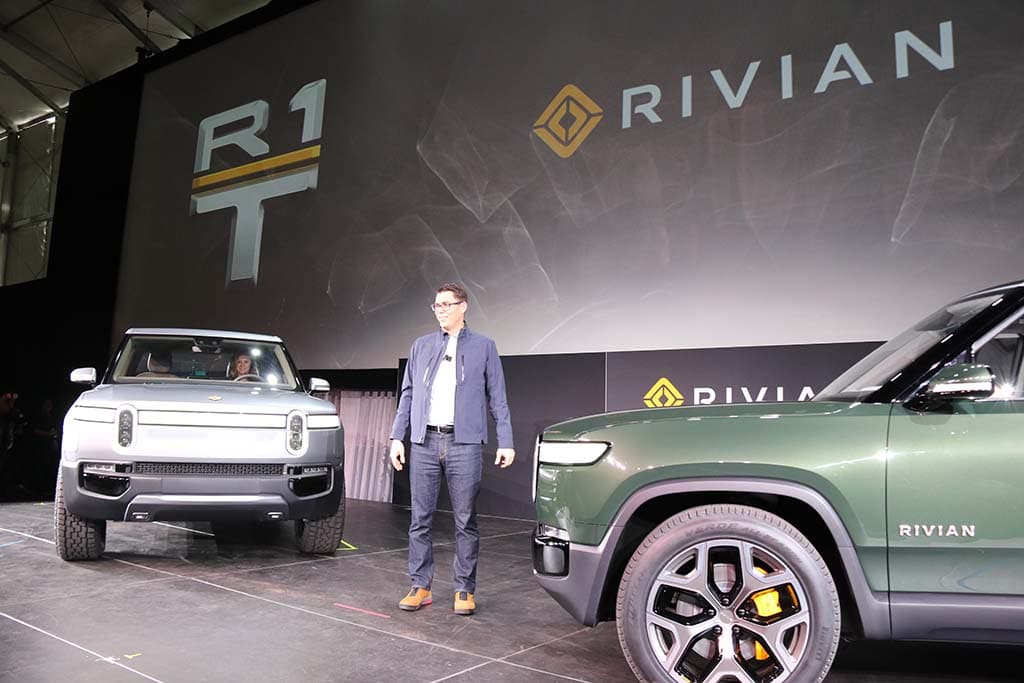
The EV market is providing numerous start-ups an opportunity to establish their brands.
Detroit’s Big Three, meanwhile, have pared back. Ford dropped Mercury and the short-lived Merkur, while Chrysler – in its various incarnations – abandoned names such as Plymouth and Eagle. And, following its bankruptcy a decade ago, General Motors pulled the plug on Hummer, Pontiac, Saturn and Saab.
It’s not that there haven’t been plenty of wannabes. After World War II, industrial magnate Henry Kaiser hoped to launch his own brand, announcing at an industry confab he was ready to back it up with a $100 million investment. “Give that man one white chip,” responded GM’s then president. Kaiser didn’t last long, nor did Malcolm Bricklin, who tried to launch his own brand in the 1970s.
(EXCLUSIVE: Fisker inks MOU with Magna, deal will put it in production by 2022.)
But some things have changed and the door appears to be open wider than it has been in years. The nascent shift from internal combustion to electric power is offering significant opportunity, especially for companies hoping to ride the coattails of Tesla.
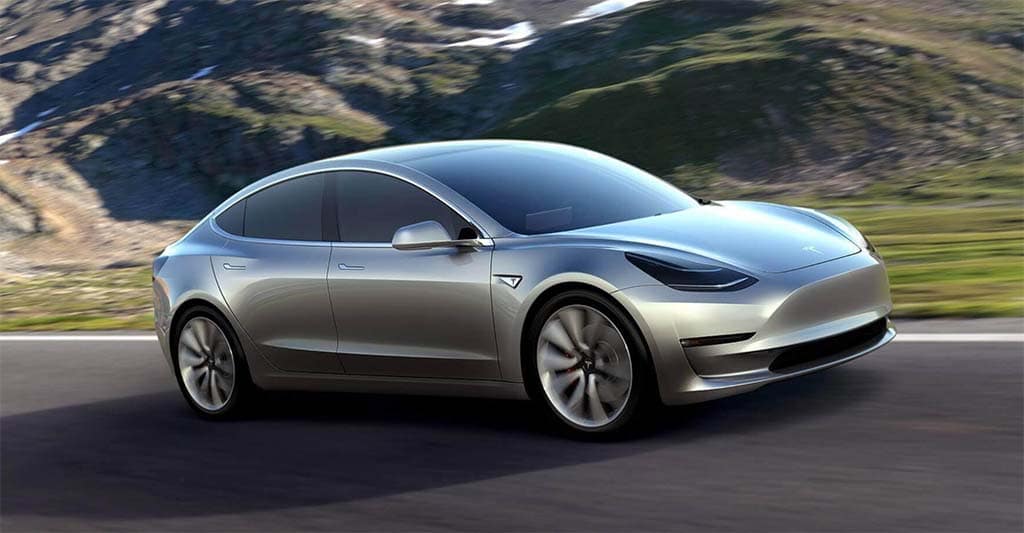
The Model 3 helped launch Tesla to a more mainstream audience and is currently the company’s best-selling vehicle by far.
Up-and-coming EV makers can only hope to enjoy a fraction of the recent success of the California-based automaker, currently the most value car company – measured by market capitalization – in the world. Ignoring a slew of naysayer – in fact, mocking a great many of them – the company has broken from the pack, notably Fisker which debuted at the same time and were largely seen as rivals, to become the biggest seller of electric vehicles in the U.S. — and the world.
After starting with a small roadster with limited range, the company now offers four models, with a next-edition roadster in the works as well as a pickup truck and a semi truck on the horizon. It’s growth has been rocket-like in recent months, prompting the company to announce a five-for-one stock split in an attempt to make the shares “more affordable for employees and investors.”
Not including Tesla, the list of EV startups is a long one, with some of the most promising thought to be Lucid, Detroit’s Rivian and Nikola. The latter firm took advantage of the latest means of raising lots of money fast, a “special purpose acquisition company,” also known as a “blank-check company,” allowing it to quickly list on a stock exchange. Fisker and Lordstown plan to use that strategy, as well, later this year.
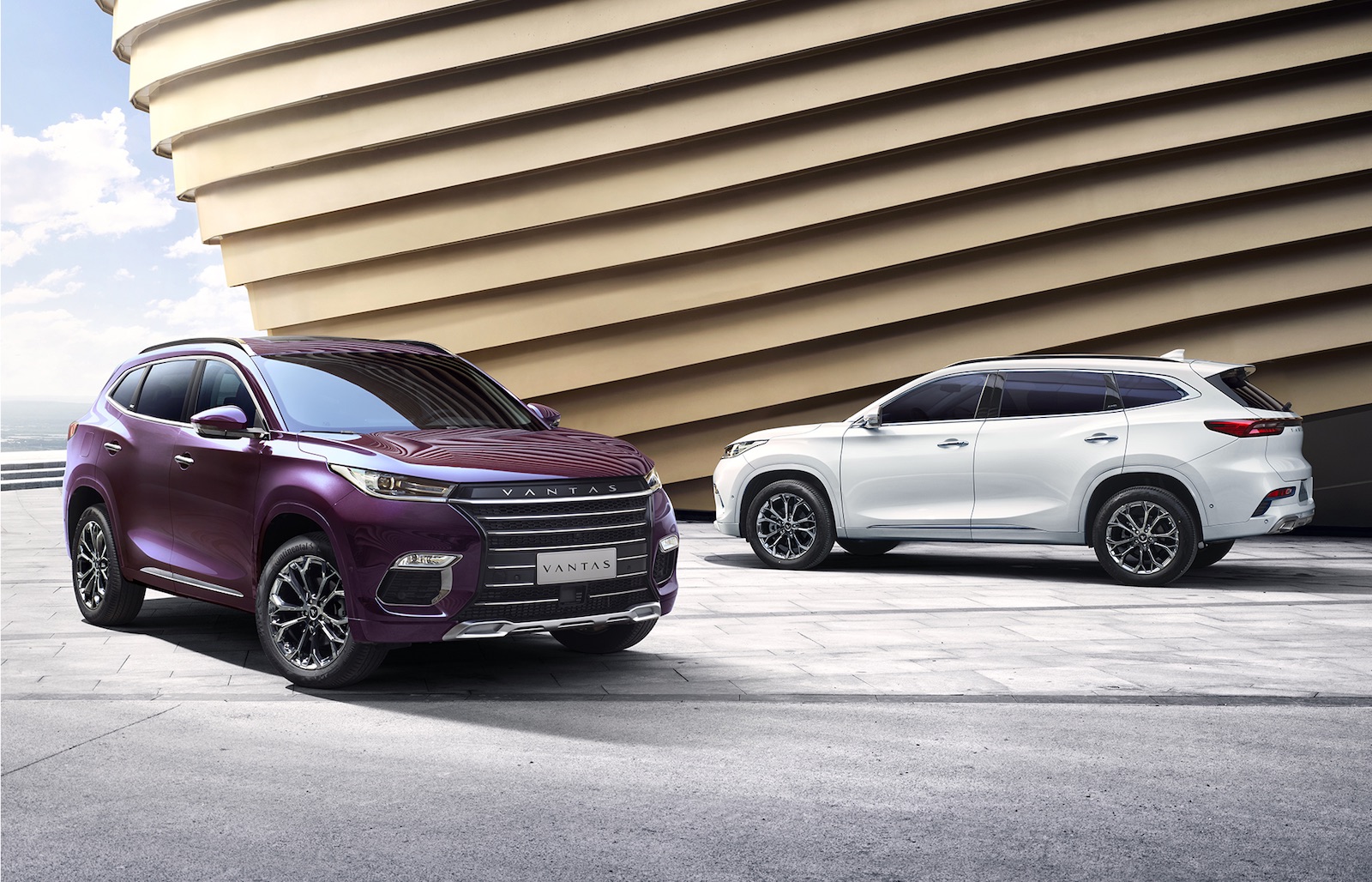
HAAH Automotive is partnering with China’s Chery Automobiles to produce a new premium brand in the U.S. named Vantas.
How many of these EV entrepreneurs will make it is far from certain, and the road to market is already littered with fallen brands such as AMP and Bright Automotive, while others, such as Faraday Future, are barely holding on.
“The jury is still out on the new electrics,” said Brinley. “They’ve got a long way to go before we know if they really will be a presence.”
Part of the challenge is that EVs currently account for barely 1% of the U.S. market. While many experts are forecasting a big surge this decade, that remains to be proven out and the start-ups will have to face down not only Tesla but the established automakers who are investing tens of billions each year in new electric models.
Not all the new brand entrants are going electric. Vantas is sticking with conventional automotive technology but hoping to follow the low-ball pricing strategy used first by the Japanese, and then the Koreans who followed to the U.S. in the late 1980s. If it sticks to its timetable, Vantas could become the first new marque dealing in Chinese-made vehicles – though it likely won’t be the last. There are plenty of carmakers who hope to make that leap, including Great Wall and BYD, the latter already setting up a U.S. headquarters in Los Angeles.
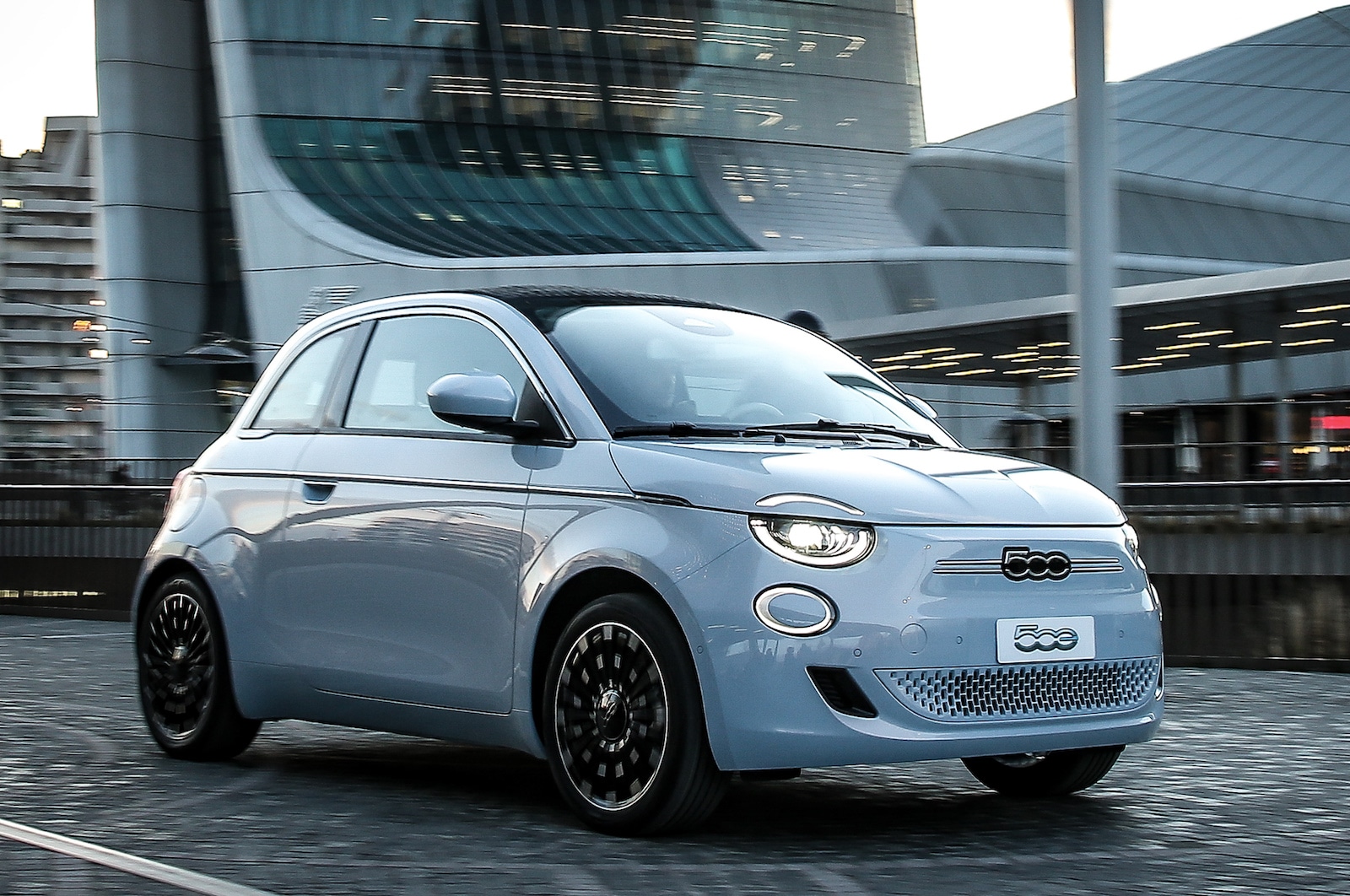
Returning to the U.S. has proved difficult for the Fiat brand which recently pulled its little 500 model due to slow sales.
Peugeot this past week confirmed its own plans to set up U.S. distribution though, in this case, it is looking to return after a nearly 30-year absence. It was one of numerous European brands to pull out of the States due to declining sales in the 1990s – regretting that decision ever since. The brand hopes to get a boost as it returns since it is one of the flagship marques for Groupe PSA which is finalizing a merger with Fiat Chrysler Automobiles.
Whether it can pull a revival off is far from certain, however. FCA had little luck reviving the Fiat brand in the U.S. And it hasn’t done much better with the other Italian brand it relaunched, Alfa Romeo.
There’s another group of new-marques headed for U.S. showrooms. These are spinoffs of familiar brands, such as Volvo’s new all-electric Polestar, and Hyundai’s high-line Genesis.
Others more accurately are referred to as sub-brands. BMW’s all electric i was one of the first. Now, Ford is positioning the revival of its Bronco nameplate as the launch of a new family of vehicles that will be marketed independently – even though they will be sold out of existing Ford showrooms. Hyundai is taking a similar approach with Ioniq, a BEV sub-brand, as is Volkswagen with its battery-powered ID models.
“These sub-brands may be a temporary thing,” said Sam Abuelsamid, principal analyst with Navigant Research, pointing to how Toyota originally positioned Prius as a sort of sub-brand with a “family” of hybrid variants. Today, Toyota is focusing on hybridizing virtually its entire line-up and Prius sales have dropped to niche levels.
(Tesla announced 5-for-1 stock split; shares rise again.)
Overall, said Abuelsamid, some of the new brands will crack the code and enter the U.S. market but, “I suspect some of the (others) won’t come to fruition. I just don’t think the market will grow enough to support all these new entrants.”
Thanks for subscribing! Please check your email for further instructions.







