

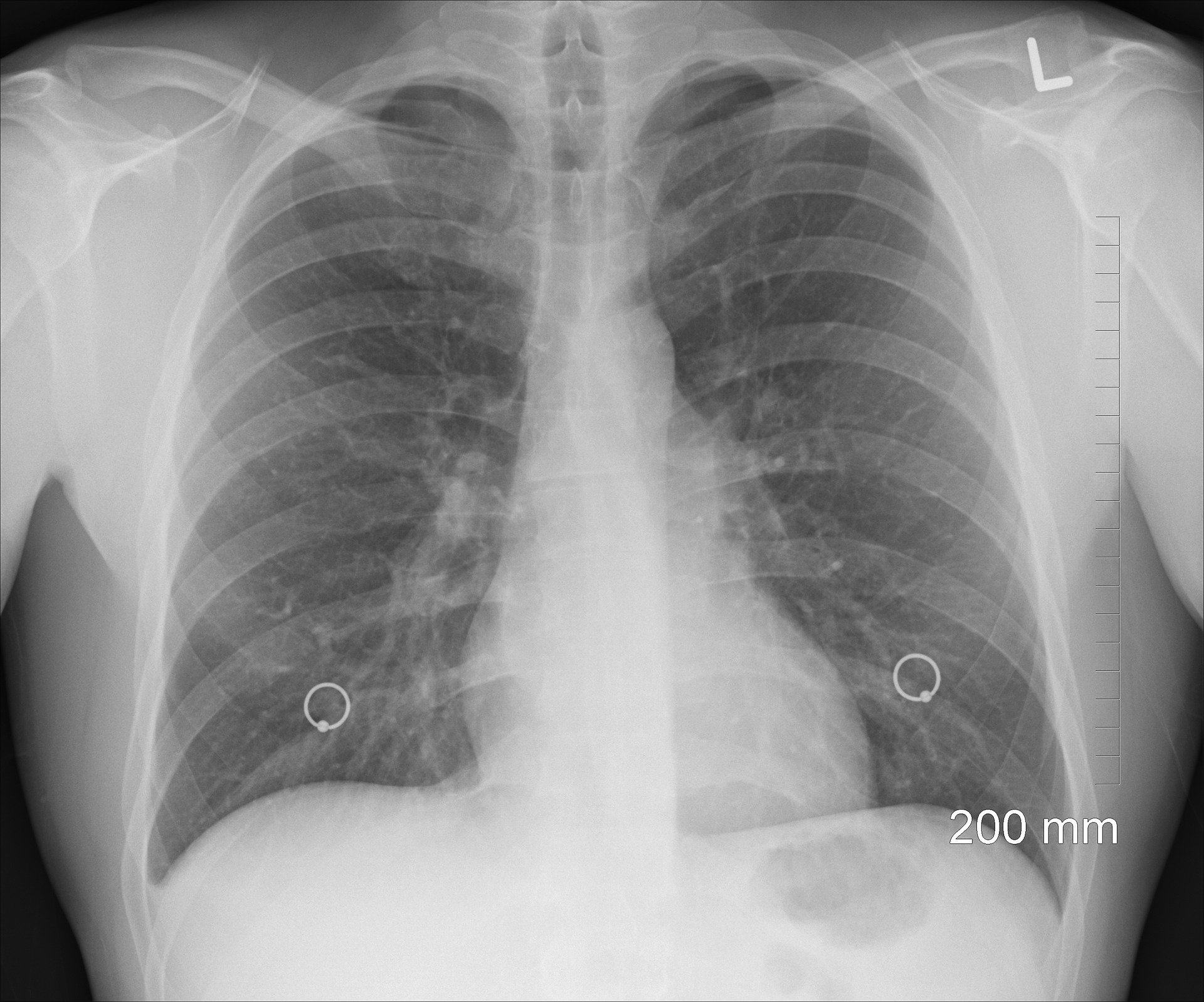
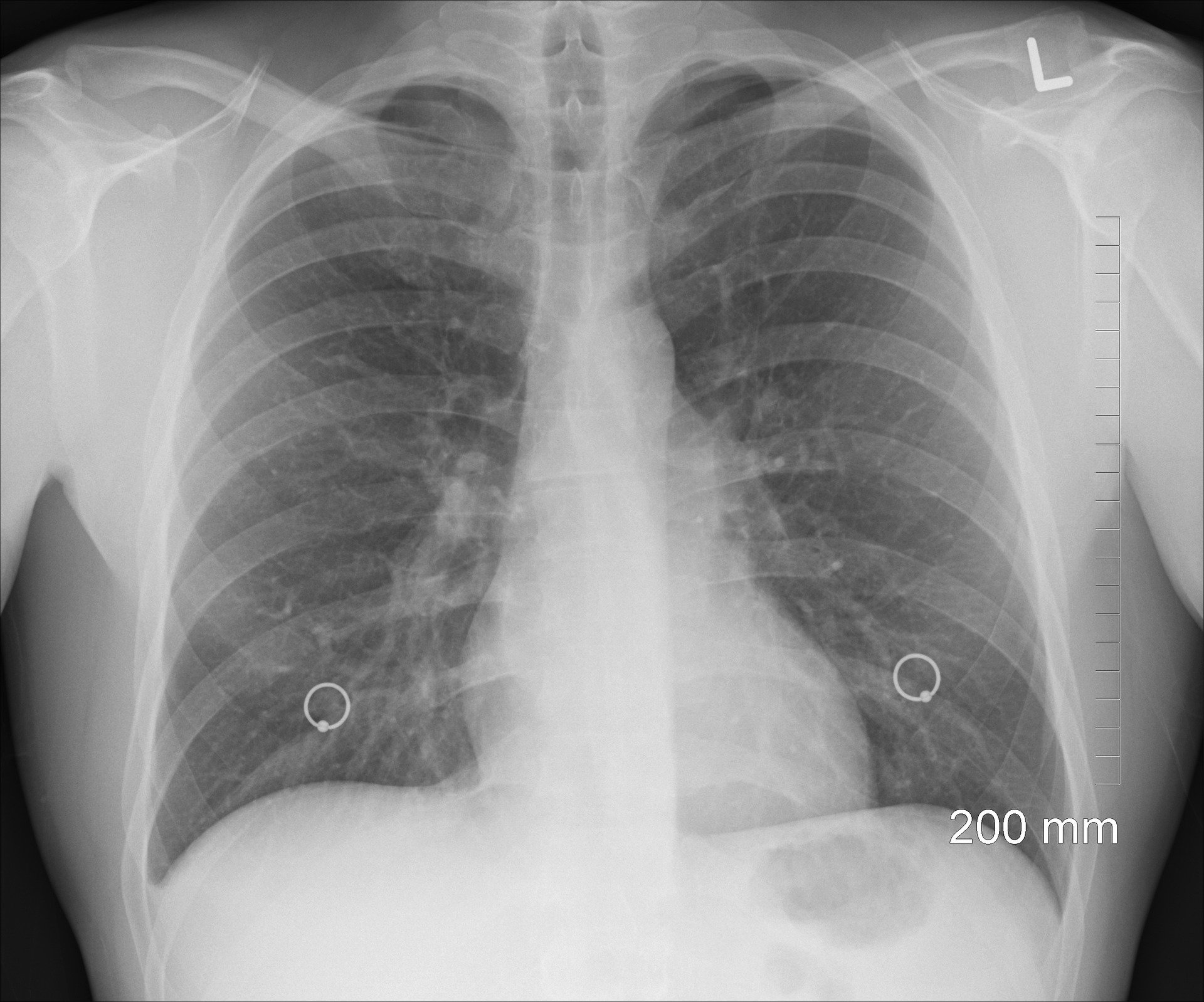
 (Beyond Pesticides, July 23, 2020) Chronic pesticide use, and subsequent exposure, elevate a person’s risk of developing lung cancer, according to a study published in F1000Research by researchers at the Nakhon Sawan Provincial Public Health Office and Naresuan University, Thailand. Globally, cancer is one of the leading causes of death, with over 8 million people succumbing to the disease every year. Notably, the International Agency for Cancer Research (IARC) predicts new cancer cases to rise 67.4% by 2030.
Although there is a vast amalgamation of research linking cancer risk to genetic and external factors (i.e., cigarette smoke), there is increasing evidence that pesticide exposure augments the risk of developing lung cancer, as well. This study highlights the importance of understanding how pesticide use can increase the risk of latent diseases, which do not readily develop upon initial exposure. Study researchers state, “To our knowledge, the association between lung cancer and pesticides has never been studied before among [Thai] people. The objective of this study was to investigate associations between pesticide exposure and lung cancer among people [living in Nakhon Sawan province, Thailand]. The results can be used for the prevention of lung cancer, and to support the global literature.”
Lung cancer is one of the most common and deadliest types of cancer, afflicting millions of people across the globe annually. The first scientific study associating pesticide exposure with lung cancer occurred 50 years ago and, ever since, epidemiological studies present increasing evidence that pesticide exposure increases the risk of developing lung cancer. A 2004 study demonstrates a positive association between lung cancer and seven widely used agricultural pesticides (e.g., dicamba, metolachlor, pendimethalin, carbofuran, chlorpyrifos, diazinon, and dieldrin). Likewise, a U.S. study finds that the risk of developing lung cancer increases with the number of years working as a pesticide applicator. This study adds to the growing body of research linking pesticide use and exposure to various forms of cancer.
To assess the relationship between pesticide use and lung cancer, researchers compared a lifetime pesticide exposure of lung cancer cases to healthy neighbors of the same gender, from January 1, 2014, to March 31, 2017. Additionally, researchers gathered related data, including age, demographic, and pesticide exposure, via a face-to-face interview questionnaire.
Data analysis used IBM SPSS Statistics and linear regression models to evaluate links between lung cancer incidents and types of pesticides, as well as individual pesticides, adjusting for gender, age, cigarette smoking, occupation, and air pollution exposure. Individual pesticides exhibiting a significant correlation with lung cancer are chlorpyrifos, as well as legacy pesticides carbofuran and dieldrin. Lastly, researchers categorized the number of cumulative pesticide exposure days into quartiles (Q1-Q4), with Q1 being the lowest exposure and Q4 the highest. Researchers placed participants who used pesticides for less than 160 days in Q1 and participants who used pesticides for more than 530 days in Q4. According to the study, the use of pesticides, including herbicides, insecticides, and fungicides have a positive association with lung cancer development, with Q4 exposure participants displaying elevated risk of lung cancer compared to Q1 exposure participants.
Although exposure to insecticides and herbicides increases the risk of developing lung cancer for participants in Q2 through Q4, only Q4 exposure (the highest exposure level) significantly increases the risk of lung cancer for fungicide use. From a research perspective, the higher exposure effects for Q2 through Q4 are a function of high acute toxicity for insecticides and herbicides.
The connection between pesticides and associated cancer risks is nothing new, as a plethora of studies links pesticide use and residue to various cancers, from more prevalent forms like breast cancer to rare forms like kidney cancer nephroblastoma (Wilms’ tumor). The connection between lung cancer and pesticides is of specific concern, as etiological studies often attribute lung cancer to genetics or cigarette smoke and overlook the lung cancer risks associated with pesticide exposure via inhalation of powders, airborne droplets, or vapors. Some studies attribute pesticides—labeled hazardous to inhale—sprayed on tobacco plants to lung cancer, and the related mechanisms that cause lung cancer. Upon inhalation, pesticide particles enter the respiratory tract, and the lungs readily absorb the particles into the bloodstream.
Past research demonstrates the mechanism by which cancer can develop after pesticides enter the bloodstream. In 2013, an experimental study showed that exposure to pesticides produces reactive oxygen species (ROS), which are highly unstable and cause potential DNA and cell damage that propagates the development of cancer. Additionally, pesticides can increase cancer risk via alternate mechanisms, including genotoxicity (gene damage), epigenetics (gene expression), immunotoxicity, tumors, and endocrine disruption. A 2008 study showed that a substance other than tobacco smoke, most likely pesticides, was causing gene mutations that prompt lung cancer. Additional research finds that exposure to cigarette smoke, pesticides, and wood dust increases lung cancer incidents. The evidence, associating lung cancer and pesticides, in this study and others like it, highlights the need for better long-term risk assessment of pesticide use on human health as current evaluations fail to capture chronic (long-term) risks fully.
Studies like this one demonstrate the implications that extensive pesticide use has on future human health, as lung cancer develops among those who use pesticides more frequently. Of all the pesticides investigated, dieldrin, carbofuran, and chlorpyrifos show the greatest association with lung cancer incidents. The U.S. and many other countries banned some forms of the legacy pesticides dieldrin and carbofuran due to their adverse health effects on humans, wildlife, and the environment. Both dieldrin and carbofuran are persistent organic pollutants, which not only accumulate in soil and water, but in the fatty tissue and brains of humans as well. The organochlorine pesticide dieldrin causes kidney/liver damage, disrupts normal endocrine function, and increases six-fold the risk of Parkinson’s disease by preventing the body from eliminating the chemicals that prompt degenerative neurological disorder development. Carbofuran is the most toxic carbamate pesticide and is highly toxic upon inhalation and ingestion. The World Health Organization (WHO) and the U.S. Environmental Protection Agency (EPA) classify carbofuran’s acute effects as highly hazardous/toxic. Furthermore, the chemical can cause endocrine disruption, and depress the nervous system and neurological function. Although the U.S. banned granular carbofuran use due to the concerns about bird ingestion, liquid formulas are still available as restricted use pesticides (RUPs). Since liquid pesticide formulas have particles that are easier to inhale, carbofuran poisoning remains a concern.
Chlorpyrifos is an insecticide in the organophosphate chemical family, which originated from World War II nerve agents. In addition to being highly toxic to terrestrial and aquatic organisms, human exposure to chlorpyrifos can induce endocrine disruption, reproductive dysfunction, fetal defects, neurotoxic damage, and kidney/liver damage. Recently, the European Union banned chlorpyrifos use, and Thailand announced a ban on all chlorpyrifos imports, yet it remains in use in the United States. However, states, including Hawaii, California, New York, and Maryland, plans to phase out most of its agricultural uses after EPA negotiated chlorpyrifos’s withdrawal from most of the residential market because of neurotoxic effects to children in 2000.
Cancer is becoming the leading cause of death worldwide, it is essential to know and understand the implications pesticide use and exposure has on human health. Studies related to pesticides and cancer can aid in future cancer research to understand the underlying mechanisms that cause cancer. With the Trump administration dismantling many environmental regulations, it is vital to understand how exposure to environmental pollutants like pesticides can increase the risk of developing chronic disease, especially if theses regulatory rollbacks increase the persistence of environmental pollutants. Beyond Pesticides tracks the most recent studies related to pesticide exposure through our Pesticide Induced Diseases Database (PIDD). This database supports the clear need for strategic action to shift away from pesticide dependency. For more information on the multiple harms, pesticides can cause, see PIDD pages on sexual and reproductive dysfunction, endocrine disruption, cancer, and other diseases. Additionally, buying, growing, and supporting organic can help eliminate the extensive use of pesticides in the environment. Organic agriculture has many health and environmental benefits, which curtail the need for chemical-intensive agricultural practices. Regenerative organic agriculture revitalizes soil health through organic carbon sequestration while reducing pests and generating a higher return than chemical-intensive agriculture. For more information on how organic is the right choice for both consumers and the farmworkers who grow our food, see Beyond Pesticides webpage, Health Benefits of Organic Agriculture.
All unattributed positions and opinions in this piece are those of Beyond Pesticides.
Source: F1000Research








