

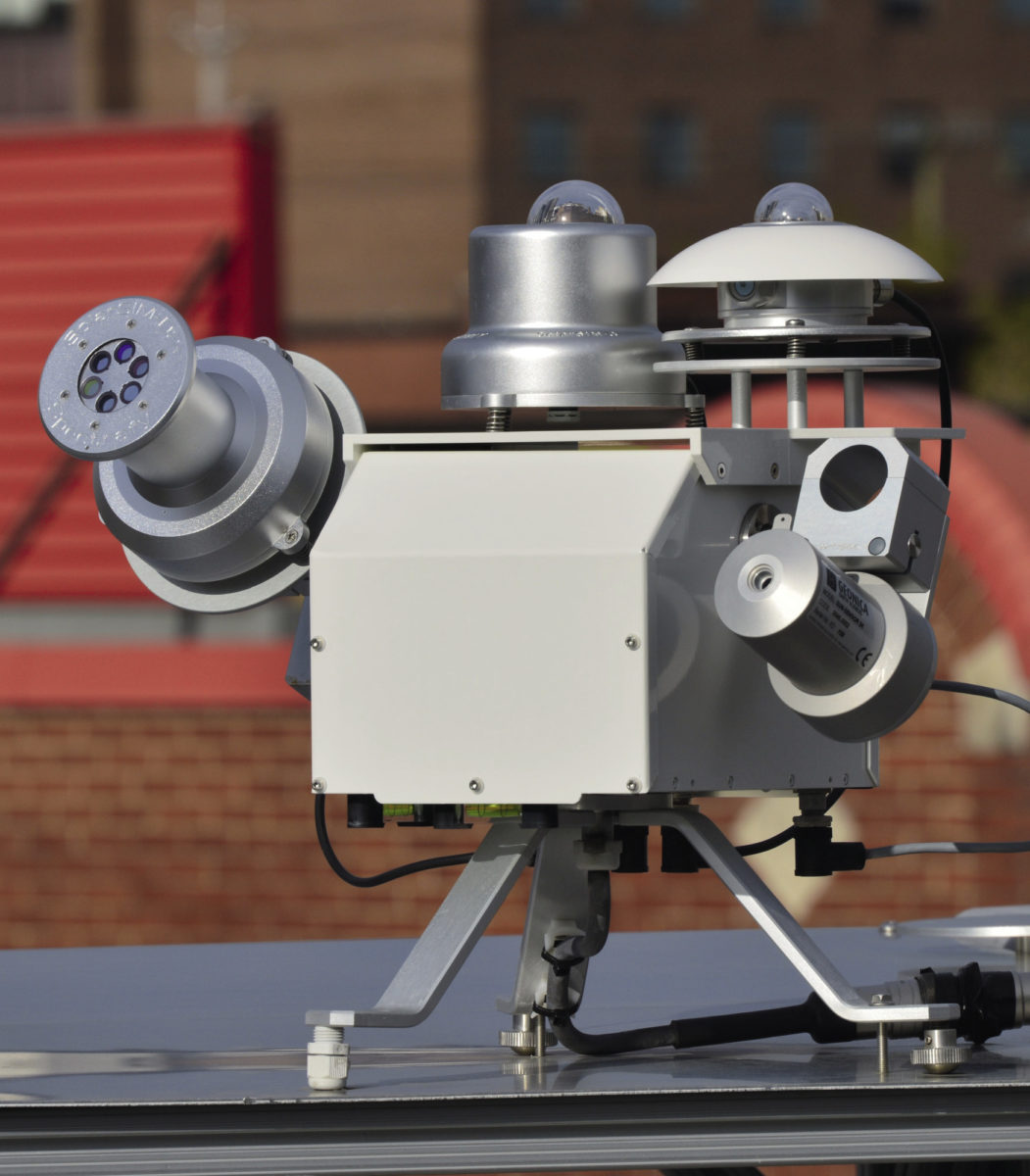
PV plant performance is typically assessed through the performance ratio (PR). The PR is calculated during plant operation and is compared with the target defined in the contract. There are usually two moments when power plant performance should be measured. The first is at takeover, which is known as the provisional acceptance certificate (PAC). The second comes after one year of operation, and is known as the final acceptance certificate (FAC). PAC tests have short durations, such as one to two weeks, while FAC tests focus on longer periods – as long as one to two years.
The difference between the two PR tests implies higher uncertainty for measuring during PAC compared to FAC. In addition, PAC tests are meant to demonstrate that a plant is fully commissioned and ready for commercial operation, while the aim of the FAC is to ensure that the plant delivers the agreed-upon performance. It is at the FAC stage that liquidated damages will apply if contractual requirements are not met. For these reasons, when it’s time to compare the indicator to the target, contracts will accept higher deviations for PAC (up to 5%) than for FAC (up to 2%). With potentially significant financial impacts for plant owners and EPC providers, it is crucial to ensure that the performance assessment provides a robust and accurate evaluation of plant performance.
Performance ratio
The PR calculation considers energy produced, irradiation, and installed peak capacity of the site. During contract negotiations, the target PR is calculated using the energy obtained from a simulation model, which includes a reference meteorological data set. The magnitude of losses, such as module temperature and inverter clipping losses, are strongly linked with the meteorological data used. Once the plant is in operation, the PR is recalculated with actual conditions, namely the measured irradiation and energy produced.
During the testing period, actual meteorological conditions will be different from the reference, but the PR only “sees” the direct impact of the irradiation. Variations in other losses associated with weather or seasonal conditions, such as shading, will not be properly considered in this indicator. The result is increased uncertainty and it can lead to plants that are actually performing well to fail the performance test if conditions are substantially different from the reference.
In 2018 the impact of weather conditions was clearly observed. Above-average temperatures and irradiation were experienced in northern Europe, causing a potentially unfair financial impact. The shorter the testing period, the higher the chances that unusual conditions could bias the outcome. Given this, using PR without any meteorological correction can be particularly risky for PAC. From a contractual perspective PR as an indicator is not recommended because the performance of the plant is poorly measured.
Enhanced PR
Enhanced versions of the PR calculation are proposed, including temperature corrections and monthly adjustments. If correctly implemented, these can cover a wider range of situations and offer a more reliable guarantee mechanism. While such mechanisms offer better revenue protection for site owners, care should be taken to avoid very complex formulas.
Although various forms of PR calculation are the most common option for performance assessment in Europe, other approaches can be considered. One is energy evaluation (IEC 61724-3) which relies on a reference simulation model using leading software. The model is “frozen” at contract signature, and is then run again using meteorological data measured during the test period. The output of the model is the target the PV plant must reach. This accounts for variations in a much wider range of variables. However, as in all types of simulation, there is an uncertainty inherent to the process. Ideally, the model should be verified by an independent party.
In the United States, the capacity test defined by the ASTM E2848 standard is frequently used. This employs a multiple linear regression to estimate the capacity of a PV plant under reference conditions. Though this approach claims to be more accurate for short PAC tests, it is also complex.
Since all these rely on measured data, thorough quality control is essential. To avoid disputes, procedures should be clearly defined in the contract. The performance indicator alone may not be enough. A robust definition of plant availability and its guaranteed levels is also required to ensure that unavailability-related effects do not bias the outcomes of the analysis.
It is important not to lose sight of the purpose of each test. At PAC the plant owners/EPCs are looking for a go/no go to commercial operation, whereas at FAC the intention is to verify whether the plant delivers the agreed performance. Attention should be paid to selecting the appropriate approach for each project, but it should be remembered that complexity is not synonymous with quality.
Eliminating uncertainty would enable better guarantees and revenue protection for site owners, while closing the gap between guaranteed and expected performance. While the method is important, proper follow-up during the construction phase can save money and avoid PAC and FAC headaches. But the performance warranty methodology is one part of the puzzle, and ensuring that liquidated damages cover revenue losses in case of poor performance is essential.
About the author
Felipe Canto Teixeira is a partner at Everoze, a technical and commercial energy consultancy that specializes in renewables, storage, and flexibility. He has been working in the energy industry since 2009, gathering experience across different technologies and markets. He is currently focused on technical due diligence and energy assessments for solar PV projects.







