

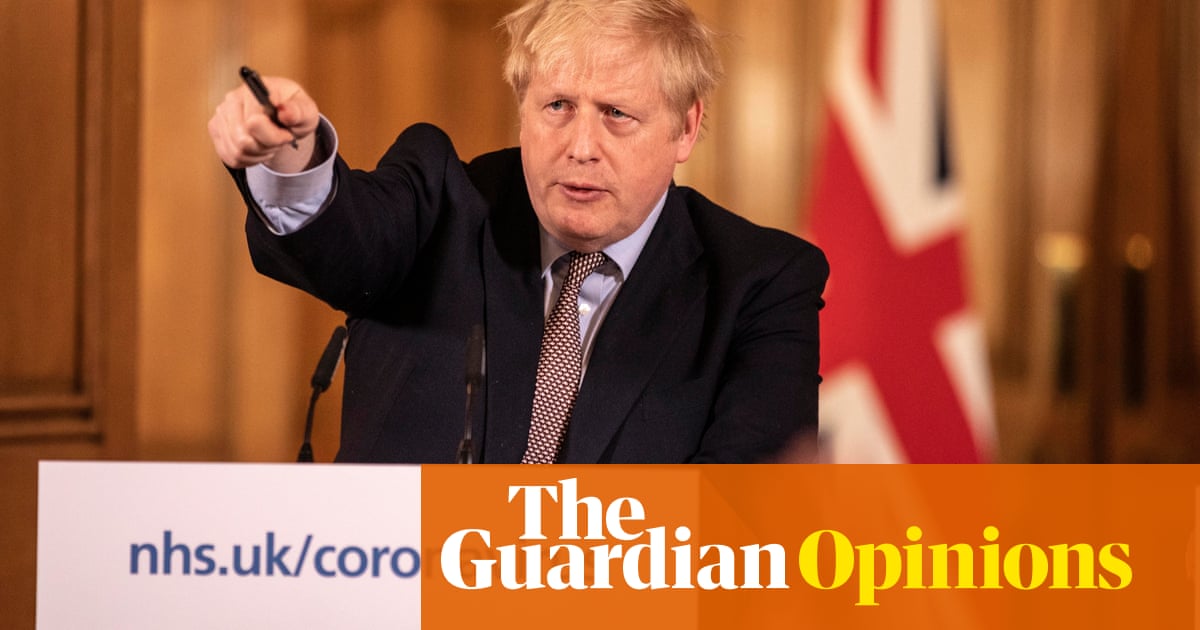
How can you chart the right course through a turbulent and dangerous new sea with no reliable map or GPS? We are all part of the living experiment that is about to find out. After failing to mandate widespread social distancing last week, an approach that went against the grain of the rest of the world and advice from the World Health Organization, the UK government has now started to ease these restrictions in. It is not clear if this was part of the plan of escalation all along, or rather a U-turn precipitated by robust criticism.
In many ways, it seems that much of the population had already decided to take matters into their own hands. Even as early as last Friday, trains and platforms were noticeably less crowded, and colleagues announced their intention of working from home. Many of our international undergraduate students at UCL caught their last flights home. Yesterday morning, cancellations started to flood into my inbox – a busy end of term was completely obliterated in a matter of days.
It’s easy to criticise those in charge, but I can’t overemphasise how difficult these decisions are. There is no one right answer about how to tackle a pandemic caused by an entirely novel virus. Assumptions and models, and the past performance of other diseases like influenza, might be helpful grist for the theoretical mill but ultimately are not crystal balls. There are simply too many unknowns. Is viral infection capable of stimulating adequate herd immunity; does it even protect a victim against subsequent reinfection? Will the virus flag in summer, leading to a “second wave” in winter, or carry on undaunted? Will Sars-Cov2 come back year on year, or vanish like its cousin in 2003? Will all the rushed-out vaccines upon which we are all pinning our hopes actually work next year when they are finally deployed? We just don’t know.
We are also hampered by incomplete data: in the absence of sufficient testing in many parts of the world, including the UK, it’s difficult to piece together the epidemiological pixels needed to clarify the entire image. Although social distancing was delayed here as part of a grand plan, there are some experts who doubt that we have the knowledge needed to sculpt the timing and impact of an epidemic of this scale – it’s like corralling a thousand-strong herd of stampeding buffalo with a single yapping border collie.
It is sensible to factor effects on the economy into the decision-making process. Poverty and austerity can also kill the same demographic: the elderly and infirm.
But we do need to carefully consider the information that we do have – we can look at how the virus played out in other countries. These are not perfect experiments: they differ in time as well as geographical location, in populations with diverse cultural norms and behaviours. Yet they are the best comparators we have. What stands out is that early drastic measures, such as those seen in in places like South Korea, seem to have worked better than closing the barn door after the horse has bolted, as was the case in Italy. The current whereabouts of the UK’s horse remains to be seen.
Research from the WHO Collaborating Centre for Infectious Disease Modelling at Imperial College published yesterday calculated the likely effects of following a “mitigation” strategy aimed at delaying spread (such as that initially employed by the UK) versus “suppression” strategies (the more serious lockdown conditions being used in other countries). The bottom line is that while mitigation can indeed work to reduce pressures on hospitals and death, it is still likely to result in hundreds of thousands of fatalities and overwhelm healthcare systems eventually. According to these scientists, suppression is probably the better option, even though it might need to be in place for an extremely long time. A number of expert colleagues I’ve spoken to agree that the tougher option is the safer bet.
Whatever the mitigation approach we may have chosen, however, it is clear life is going to be very different for some time.
And of course, there will be further pandemics, for which we may or may not be more prepared. If our global economy is seriously weakened by Covid-19, it will leave us vulnerable to the next attack. Only significant investment will protect us in the future.
• Jennifer Rohn is a cell biologist at University College London







