

The first case had one genetic difference from the original virus that was detected in Wuhan. The new case had that mutation, plus three additional ones. More than 125 genomes derived from samples taken from coronavirus patients around the world have been shared among scientists thus far, providing data for the analysis.
In the first case in Washington, the man in his 30s had been traveling in Wuhan, China, and returned home to Snohomish County, Wash., on Jan. 15. He sought medical care a few days later after developing symptoms and suspecting that he might have the coronavirus, officials have said, and tests later came back positive.
Health officials then scrambled to retrace his history, tracking down eight people he had socialized with at a group lunch and 37 more who were in the clinic when he showed up for medical help. They also reached out to people on his flight back to the United States.
But as the man remained in hospital isolation, and then later returned home, officials reported no new cases in Washington state. They tested two dozen people over a span of five weeks, and all came back negative.
That changed this week, when the state laboratory became able to test for the virus. Officials reported two new confirmed cases Friday night, and then more, including the first patient to die of the virus in the United States. They are now working to trace how the cases in the state might be linked, and who else might have been exposed.
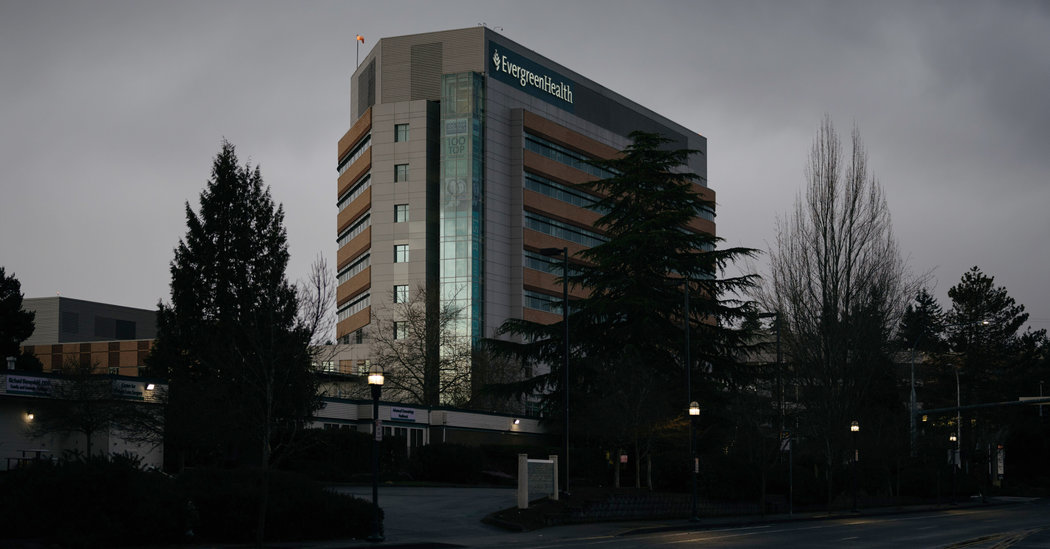
Two cases have been detected at a skilled nursing facility in Kirkland, Wash., where officials said dozens of other people also had symptoms that could be a sign of coronavirus infection but could also be symptoms of flu.
Gov. Jay Inslee of Washington has declared a state of emergency, and said officials may need to take steps like canceling sporting events and closing schools to slow the spread of the virus in the community.







