
GLOBAL RESEARCH SYNDICATE
No Result
View All Result
  • Login
  • Latest News
  • Consumer Research
  • Survey Research
  • Marketing Research
  • Industry Research
  • Data Collection
  • More
    • Data Analysis
    • Market Insights
  • Latest News
  • Consumer Research
  • Survey Research
  • Marketing Research
  • Industry Research
  • Data Collection
  • More
    • Data Analysis
    • Market Insights
No Result
View All Result
globalresearchsyndicate
No Result
View All Result
Home Data Collection

Nuclear Power Plants – Nuclear Reactor

globalresearchsyndicate by globalresearchsyndicate
January 27, 2020
in Data Collection
0
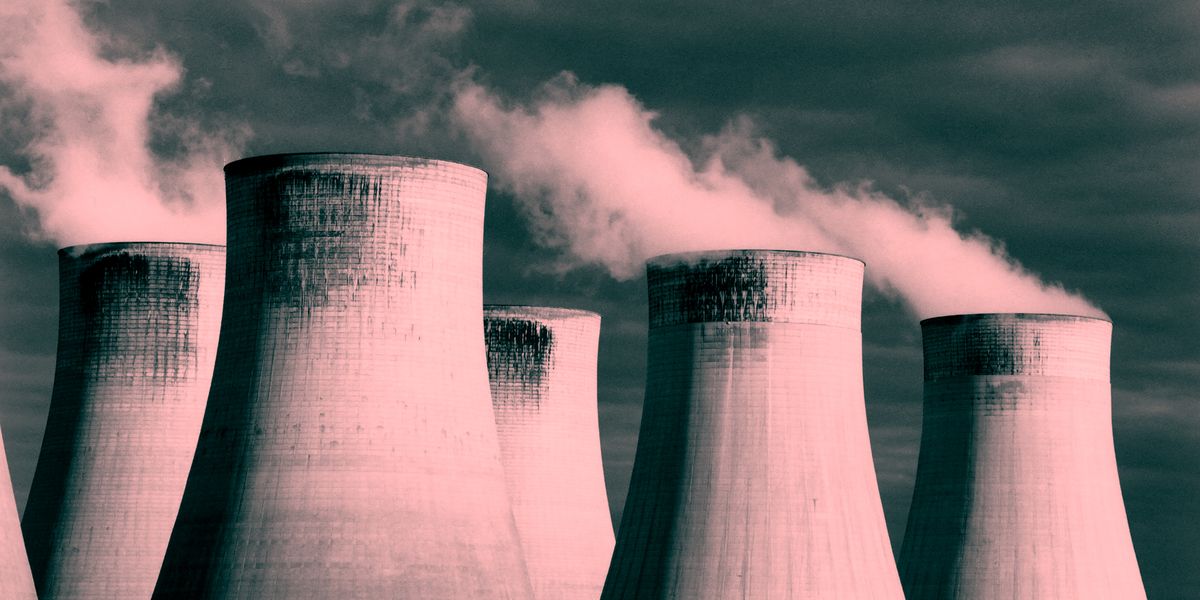
Nuclear Power Plants – Nuclear Reactor
0
SHARES
1
VIEWS
Share on FacebookShare on Twitter

  • A new analysis shows that each U.S. nuclear plant reduced carbon emissions by an average 2 million metric tons in its first year alone.
  • A handful of high-profile disasters have soured the public on nuclear power, but new reactors could change that.
  • Researchers considered each plant opening and plant closure as an “event” to build an event study analysis.

    Economists have analyzed two decades of data to find how well nuclear power replaces traditional fossil fuel power plants, especially as part of an overall goal of reducing carbon emissions. The series of event studies, published in the February issue of Resource and Energy Economics, considers data from the 1970s and ’80s and contextualizes them around the disaster at Three Mile Island in 1979. The researchers found that although the carbon emissions from fossil fuel plants are huge, the very small risk of very big disasters at nuclear plants has caused them to fall out of favor among investors.

    The research team from Carnegie Mellon University, led by Edson Severnini, says its study is the first to synthesize data from the entire U.S.. The “event” in the event study was when a nuclear power plant opened in the ’70s and ’80s. The team looked at the electric grid before and in the year after a nuclear plant went online, comparing how much fossil fuel electricity was displaced by nuclear power in the local grid.

    For each gigawatt hour (GWh) of nuclear power, the researchers found a corresponding 0.8 GWh reduction in fossil fuel power. Although the replacement isn’t a clean 1:1 ratio of nuclear for fossil, the effect is still dramatic. “Solely by displacing coal-fired electricity generation, the average nuclear plant opening results in nearly 2 million metric tons less CO2 emissions, 5,200 metric tons less SO2, and 2,200 metric tons less NOx within the first year,” the researchers write.

    As a second project, the team looked at output data from forced closures between 1999 and 2014. (Anyone who grew up near a nuclear plant knows the spooky feeling when cooling towers on the horizon are offline.) The researchers found that fossil fuel power then re-replaced nuclear at the same average rate, and this was the same for the calendar month and the utility bill month.

    So what’s the point here? Well, these researchers conclude that while public perception against nuclear power makes it unlikely that sundowned plants will be replaced, what will likely replace them is much dirtier fossil fuel power. Both the perception barrier and the regulatory cost of nuclear power is likely too high for nuclear to ever wage a comeback without pretty comprehensive reforms in place.

    “Nuclear power generation has lower fuel prices in comparison to coal, but faces higher operations and maintenance costs that are likely driven by the increased regulatory scrutiny after the Three Mile Island reactor accident,” the researchers conclude. The public fear of nuclear, which has translated into a stifling of nuclear development since Three Mile Island more than 40 years ago, seems to pale in comparison to the medium-level constant risk posed by much higher emissions from fossil fuels.

    What that means, the researchers say, is that it would take “a substantial amount of regulatory pressure on fossil fuels (in the form of an emissions tax, regional emissions standards, etc.)” to push the public imagination back toward cleaner nuclear power. If their analysis is correct, it will be interesting to see how cutting-edge modular reactors—which claim to be much safer and more containable in the event of an emergency—could reduce perceived risk and let cleaner nuclear power back into our hearts.


Related Posts

How Machine Learning has impacted Consumer Behaviour and Analysis
Consumer Research

How Machine Learning has impacted Consumer Behaviour and Analysis

January 4, 2024
Market Research The Ultimate Weapon for Business Success
Consumer Research

Market Research: The Ultimate Weapon for Business Success

June 22, 2023
Unveiling the Hidden Power of Market Research A Game Changer
Consumer Research

Unveiling the Hidden Power of Market Research: A Game Changer

June 2, 2023
7 Secrets of Market Research Gurus That Will Blow Your Mind
Consumer Research

7 Secrets of Market Research Gurus That Will Blow Your Mind

May 8, 2023
The Shocking Truth About Market Research Revealed!
Consumer Research

The Shocking Truth About Market Research: Revealed!

April 25, 2023
market research, primary research, secondary research, market research trends, market research news,
Consumer Research

Quantitative vs. Qualitative Research. How to choose the Right Research Method for Your Business Needs

March 14, 2023
Next Post
Pulse survey focuses on life-cycle assessment

Pulse survey focuses on life-cycle assessment

Categories

  • Consumer Research
  • Data Analysis
  • Data Collection
  • Industry Research
  • Latest News
  • Market Insights
  • Marketing Research
  • Survey Research
  • Uncategorized

Recent Posts

  • Ipsos Revolutionizes the Global Market Research Landscape
  • How Machine Learning has impacted Consumer Behaviour and Analysis
  • Market Research: The Ultimate Weapon for Business Success
  • Privacy Policy
  • Terms of Use
  • Antispam
  • DMCA

Copyright © 2024 Globalresearchsyndicate.com

Welcome Back!

Login to your account below

Forgotten Password?

Retrieve your password

Please enter your username or email address to reset your password.

Log In
This website uses cookies to improve your experience. We'll assume you're ok with this, but you can opt-out if you wish. Cookie settingsACCEPT
Privacy & Cookies Policy

Privacy Overview

This website uses cookies to improve your experience while you navigate through the website. Out of these cookies, the cookies that are categorized as necessary are stored on your browser as they are essential for the working of basic functionalities of the website. We also use third-party cookies that help us analyze and understand how you use this website. These cookies will be stored in your browser only with your consent. You also have the option to opt-out of these cookies. But opting out of some of these cookies may have an effect on your browsing experience.
Necessary
Always Enabled
Necessary cookies are absolutely essential for the website to function properly. This category only includes cookies that ensures basic functionalities and security features of the website. These cookies do not store any personal information.
Non-necessary
Any cookies that may not be particularly necessary for the website to function and is used specifically to collect user personal data via analytics, ads, other embedded contents are termed as non-necessary cookies. It is mandatory to procure user consent prior to running these cookies on your website.
SAVE & ACCEPT
No Result
View All Result
  • Latest News
  • Consumer Research
  • Survey Research
  • Marketing Research
  • Industry Research
  • Data Collection
  • More
    • Data Analysis
    • Market Insights

Copyright © 2024 Globalresearchsyndicate.com



