




Four Imperial scientists have won European Research Council (ERC) Consolidator grants worth more than €8 million for ‘blue skies’ research.
Two researchers from the Business School and colleagues from the Departments of Materials and Life Sciences were successful in the latest wave of ERC funding.
The ERC Consolidator Grants are awarded to outstanding researchers with at least seven and up to twelve years of experience after PhD, and a scientific track record showing great promise.
Vice-Provost (Research and Enterprise) Professor Nick Jennings said: “It is wonderful news that four of our researchers have been recognised among the very best in Europe with these ERC Consolidator grants.
“This investment allows our scientists to be truly creative in their research, improve understanding and realise their innovative ideas.
“Despite the current political uncertainty, Imperial has continued to win this highly sought after funding from Europe.
“That’s why we are supporting and encouraging colleagues to keep applying for new European grants, as we campaign for continued access to European research programmes after Brexit.”
Dr Ifan Stephens, Materials – making ammonia

Dr Ifan Stephens is studying the synthesis of ammonia, the world’s most commonly produced chemical, used primarily for fertilisers.
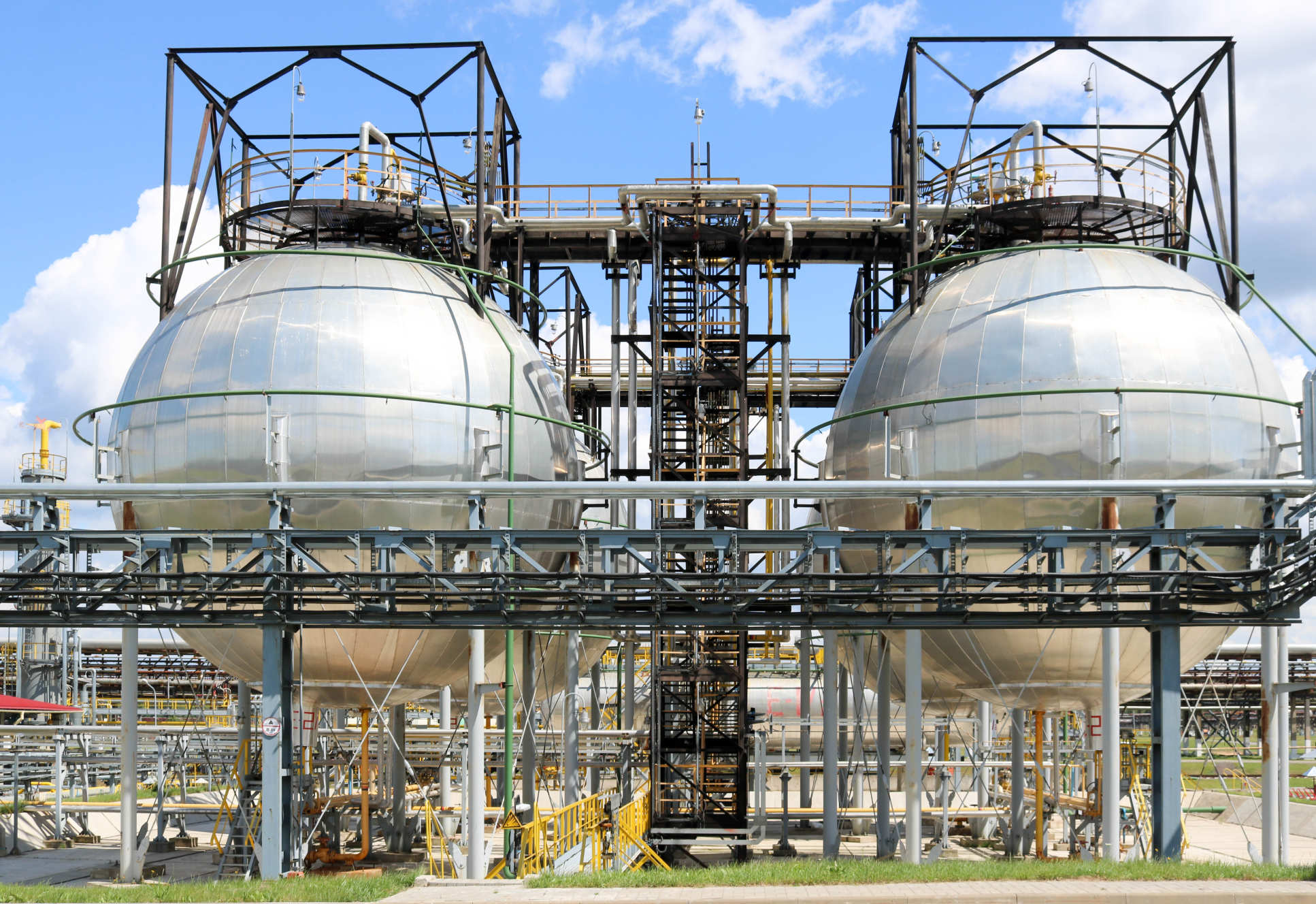
Ammonia is currently produced in large quantities at centralised facilities, at extremely high temperatures and pressures.
While the current synthesis of ammonia, via the Haber Bosch process, was hailed by the journal Nature as the most important invention of the 20th century, it is also responsible for one per cent of global CO2 emissions.
Dr Stephens – whose grant, named NitroScission, is worth 2.7 million euros – is elucidating the fundamental science to enable alternative, more green ways of synthesing ammonia.
Being able to produce it with electrochemical methods, at ambient temperatures and pressures, would mean it could be synthesised with renewable energy and locally, on site.
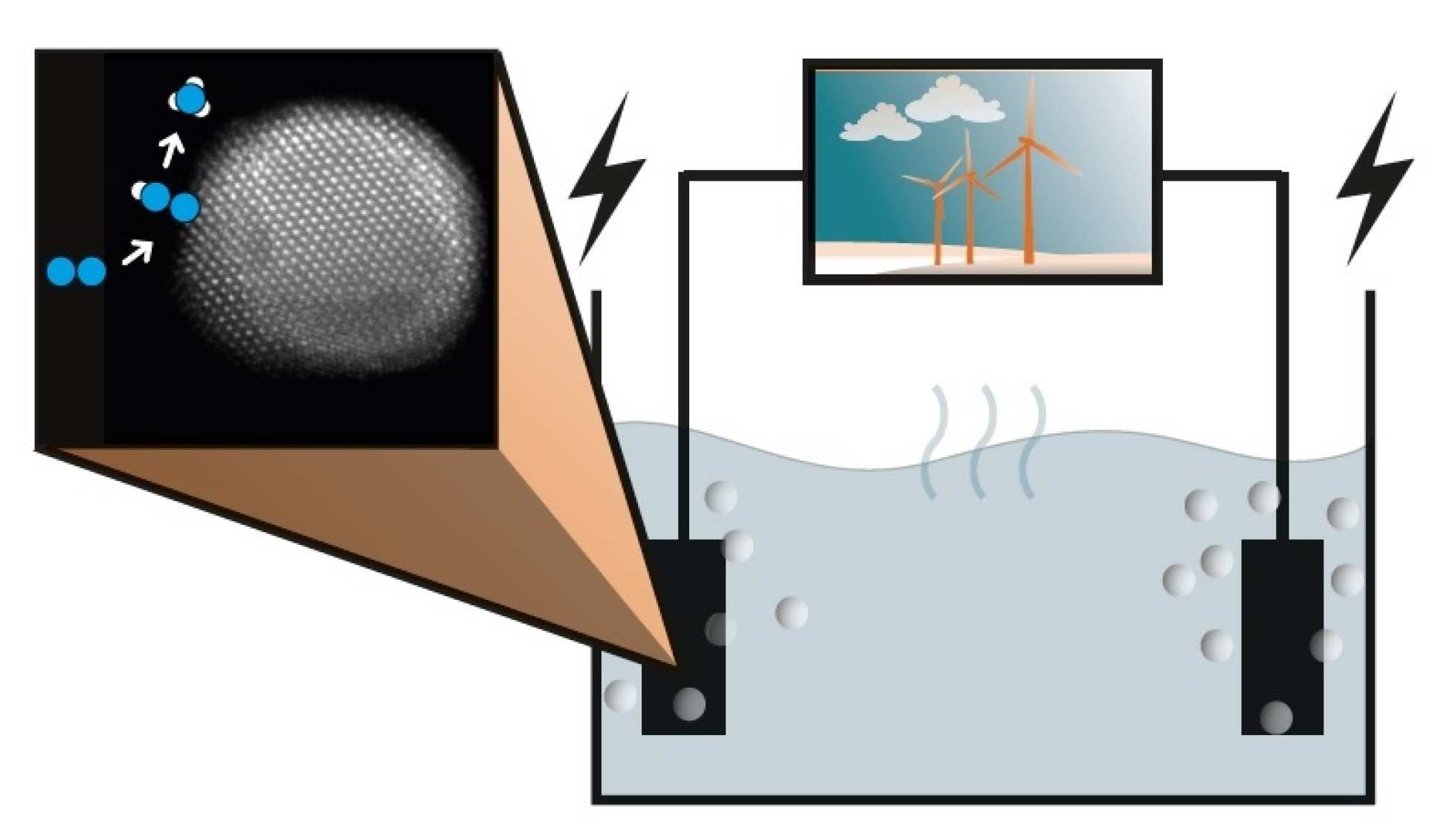
Dr Stephens says this would greatly impact agriculture in developing countries, which currently lack the infrastructure to transport fertlisers to the point of consumption.
If you could make the process efficient enough, you could even use ammonia as an emission-free sustainable fuel.
“The key to being able to produce it via this method is finding an efficient catalyst”, Dr Stephens explains.
Inspired by the nitrogenase enzyme – commonly found adjacent to the roots of plants – Dr Stephens will try to emulate the enzyme onto a solid surface of an electrode.
Dr Stephens added: “What would really be the Holy Grail would be to make ammonia with high efficiency using electrochemical methods.
“Right now, we’re making trace amounts but we would like to make bulk amounts.
“This is the biggest grant I have won to date. After months of planning and anticipation, I am now finally able to embark on the science”
Dr Doryen Bubeck, Life Sciences – Membrane attack complexes

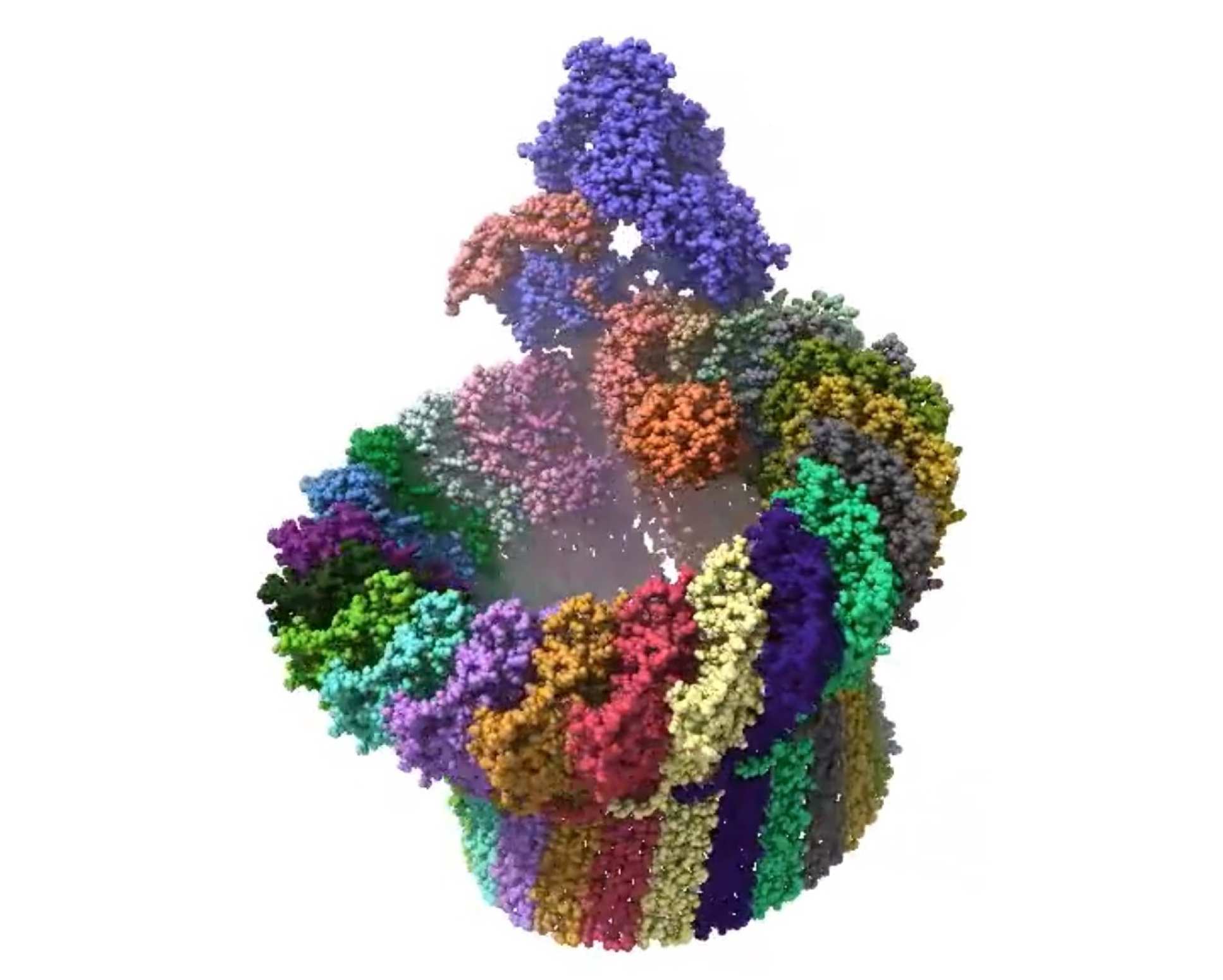
Dr Doryen Bubeck is researching the complement membrane attack complex (MAC) – an important component of the innate immune system.
MACs are large protein-based pores that punch holes in bacteria causing them to die.
However, they can also damage human cells if not properly controlled, causing several human diseases including blood clots, autoimmune disorders and transplant rejection.
By taking an interdisciplinary structural biology approach, Dr Bubeck aims to understand how MACs are regulated in human cells to prevent disease.
This work will open up new directions in cell biology and provide insight into how cells respond to damage by other pore-forming proteins.
On winning the new grant worth around two million euros, she said: “An ERC consolidator award gives me the resources to be bold and answer a big question that will have a significant impact across a number of disciplines.
“It will allow me to discover the molecular basis for how MAC is controlled on human cells, understand the cellular context in which it occurs, and apply that information to the development of therapeutics that will improve human health.”
Business School success
Two of the Consolidator Grant winners were from the Business School bringing its current number of ERC grantees to six.
Professor Francisco Veloso, Dean of Imperial College Business School, said: “Congratulations to Stephen and Ramana for this tremendous achievement.
“This grant win reflects the growing recognition of our research and the important contribution that Stephen and Ramana bring to the Business School, in the areas of machine learning and AI applied to economics problems, as well as entrepreneurial finance and scaling up, respectively.
“These are key themes of our School strategy as we seek to solidify our intellectual leadership in digital transformation, and innovation and entrepreneurship.”
Dr Stephen Hansen, Business School – Finding new ways to harness data

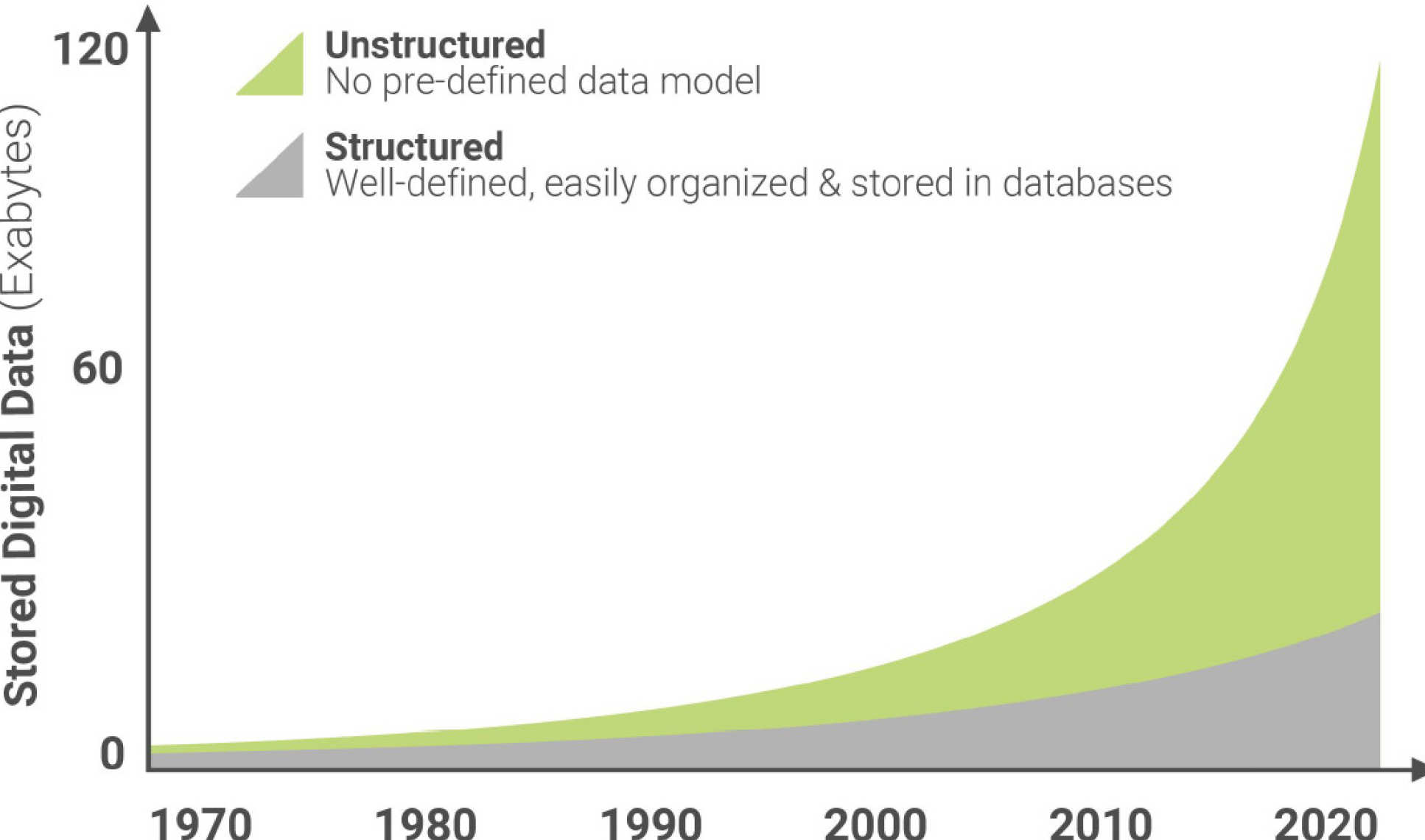
Dr Stephen Hansen, Associate Professor of Economics at the Business School, is working on solutions to the increasing volume of unstructured data.
Dr Hansen said: “The vast majority of data created in the last ten years is unstructured data such as text, images, and financial transactions.
“These new and rich data sources potentially contain a large amount of economically relevant information, but extracting it is a major challenge.
“This project will build new models to integrate unstructured data into the estimation of economic models, and thereby greatly expand the kind of data that economists can use in their future work.
The grant, worth around €1,650,000, will allow him to build an interdisciplinary team of researchers in economics, statistics, and data science and buy large-scale data sets.
Dr Hansen is collaborating with researchers at Columbia University, Pompeu Fabra University, University of Cambridge, University of Edinburgh, University of Pennsylvania and the BBVA Big Data research team.
He added: “For me the importance of the ERC is to provide the time and space to tackle ambitious and risky research projects that otherwise would not be possible.”
Professor Ramana Nanda, Business School – Entrepreneurial finance

Ramana Nanda, Visiting Professor of Entrepreneurial Finance at Imperial, is studying financing frictions between ‘high potential’ entrepreneurs and small and medium sized enterprises (SMEs).
Professor Nanda added: “While entrepreneurship is widely accepted as a key driver of economic growth and is a central policy priority across the world, it is less well-known that a small number of successful firms, that are extremely hard to identify up front, are responsible for the vast majority of employment and productivity growth in the economy.
“My ERC project aims to understand and address specific financing frictions facing this subset of ‘high-potential’ entrepreneurs and SMEs.”
Professor Nanda, whose grant is worth around two million euros, added: “The ERC Consolidator Grant is one of the most prestigious awards in Europe.
“I feel extremely honoured to have won the award this year and believe it will play a vital role in developing my research agenda, and helping to consolidate my stature as a leading scholar within the field of entrepreneurial finance.”
Europe’s top researchers
This year the ERC awarded Consolidator Grants to 301 top scientists and scholars across Europe.
Funding for these researchers, part of the Horizon 2020 research and innovation programme, is worth in total €600 million.
Mariya Gabriel, European Commissioner for Innovation, Research,
Culture, Education and Youth, said: “Knowledge developed in these new projects will allow us to understand the challenges we face at a more fundamental level, and may provide us with breakthroughs and innovations that we haven’t even imagined.
“The EU’s investment in frontier research is an investment in our future, which is why it is so important that we reach an agreement on an ambitious Horizon Europe budget for the next multi-annual budget.
“More available research funding would also allow us to create more opportunities everywhere in the EU – excellence should not be a
question of geography.”
ERC President Professor Jean-Pierre Bourguignon, whose mandate ends on 31 December after six years in office, commented: “I have had the immense privilege of seeing thousands of bright minds across our continent receive the trust and backing to go after their most daring ideas.
“It has been an exhilarating experience through countless meetings with many of them in person, listening to their stories and being inspired by them.
“As it’s about top frontier research, it comes as no surprise that an overwhelming number of them already made breakthroughs that will continue to contribute greatly to meeting the challenges ahead.”







