

The 2010s are nearly in the books, and while the decade has seen its share of megahits—The Cloud! Chromebooks! Instagram!—there was no shortage of utter floppery to go around. In fact, paring the list of tech disasters down to just 10 was awfully hard, as nearly every major tech company had at least one multimillion-dollar embarrassment it would rather forget. Fortunately, we didn’t, and to that end we present our list of the 2010s’ biggest tech bombs, any of which would serve as the perfect response to one of the decade’s big hits: Alexa, tell us a joke.
Samsung Galaxy Note 7
Remember when airlines used to post signs at check-in, warning travelers they were not allowed to take the Galaxy Note 7 tablet on the plane because a bunch of them had exploded? Oh, of course you do, because those signs are still around. Samsung’s unintentional IED was recalled and banned from the skies—less than a month after its August 2016 release—and some countries outright prohibited them from being used anywhere at all. The fallout Samsung faced was staggering, with one analysis estimating the company lost $17 billion due to the device’s failures.

Boeing 737 MAX
The only thing scarier than flying with a Galaxy Note 7? Flying on a Boeing 737 MAX. While the 737 has been around since the 1960s, the 737 MAX variant didn’t start flying until 2017. And it started crashing soon after: two MAX jets fell from the sky in a five-month span between 2018 and 2019, killing 346 people. The failures were traced to flight control software problems that Boeing later admitted it knew about but neglected to correct; the planes are still grounded and in December the company announced that it was temporarily halting production. Total cost to date: About $10 billion, plus a mountain of pending lawsuits.
Google+
God bless Google and its tenacity in social networking. Clearly frustrated by the relentless rise of Facebook, in 2011 the search giant launched its most ambitious social media project, Google+. For Google, it was at least the fourth try at social (how could you forget Google Wave, Google Buzz, and Orkut?), and while the network saw some initial excitement, it quickly fell into disuse because, well, it was useless. Google kept the largely vacant network running for an unfathomably hubristic eight years. Watch this space in 2029 to see what becomes of Google Shoelace, its purported successor.
HealthCare.gov
It was supposed to be the centerpiece of the Affordable Care Act, a web-based clearinghouse where American consumers could finally shop for their own healthcare services. The site launched on October 1, 2013, and crashed two hours later, surprising no one. (A total of six people successfully completed their healthcare selection on day one.) Even when the site was up, consumers reported a near endless stream of bugs and errors that persisted for months. It all got fixed eventually, at a total cost of $1.7 billion (against a $94 million budget). Thanks, Obama!
Microsoft Windows RT
Microsoft began its quest to get Windows to run on everything with 2012’s Windows RT, a stripped-down OS that launched along with the original Surface. But Windows’ endemic bloat and the streamlined needs of ARM-based mobile devices simply didn’t mix, and the initial complaints ranged from slow performance to limited features—including the baffling lack of a media player. Most planned RT devices were canceled before they even reached stores, and Microsoft ultimately took a $900 million charge in 2013 before killing RT outright in 2015.
Amazon Fire Phone
Apple wrote the manual for the smartphone: Control the platform, lock users in, and win the game. Amazon, looking to cut out the various middlemen between customers and its services, figured it could do the same … by launching a new smartphone platform in 2014. The company utterly failed at nearly every aspect of this endeavor, proudly unveiling a slow and a tragically unhip device with an unfinished operating system at an iPhone-worthy price. Users and critics laughed, and within six weeks Amazon slashed the cost to 99 cents. It still didn’t sell (though Amazon never released sales statistics), and the company wrote off $170 million in unsold phones before discontinuing it altogether.
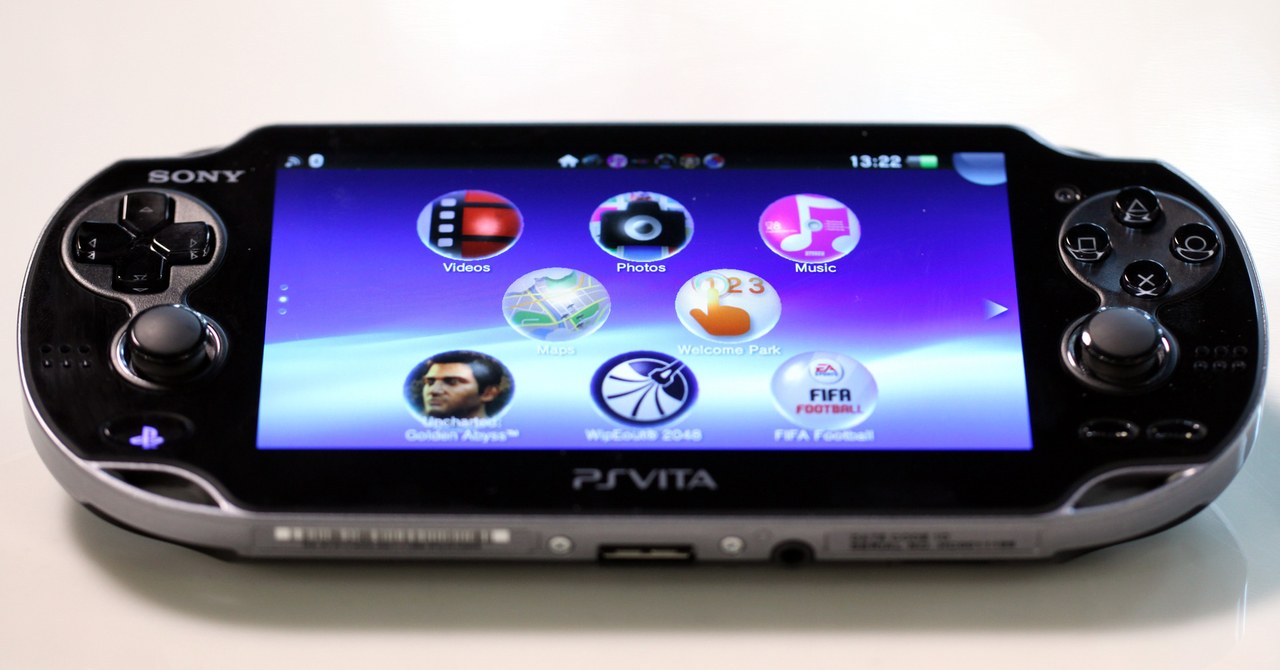
Sony PlayStation Vita
It’s 2011 and the world is embracing smartphone gaming, so what do you do? Launch a new standalone gaming handset, the Sony PlayStation Vita! In all fairness, critics and users thought the hardware was solid, but the game selection was minuscule and, at a launch price of up to $299, the Vita wasn’t cheap. Sony had targeted selling 10 million units in its first year, but only managed to unload less than half that. Upgrades and price cuts couldn’t save it, and the plug was finally pulled in 2019—making room for Nintendo’s Vita-esque Switch Lite (nearly 2 million sold in just its first 10 days after release).
Juicero
So let’s get this straight. For $700 (later $400), I can have a tacky machine on my counter that squeezes juice out of a packet that I also buy from the company? The very concept is ridiculous, but the reality was even worse, as users quickly discovered you didn’t even need the machine to squeeze juice from the packets (which cost up to $7 each). Juicero shuttered in 2017, barely a year after the product’s launch. Investors who were bananas enough to sink $120 million into this lemon deserved such a sour ending.
Netflix Qwikster
Netflix has become synonymous with streaming, but it’s easy for some to forget that the company spent a decade shipping DVDs to customers as its sole business. Chuffed by its early successes in streaming, Netflix decided in 2011 to change its pricing from $10 a month for streaming and DVDs to $8 a month for each—a 60 percent price hike. Consumers reacted horribly, the stock tanked … and then things got bad. Netflix apologized and—inexplicably—said its mea culpa would be to split the two businesses entirely. DVD rentals would fall under a new Qwikster brand, which meant customers would have to manage two separate queues and pay two separate bills. Qwikster got qwashed in less than a month, but the flub cost Netflix 800,000 subscribers, a massive drop at the time. Since then, the company has continued raising prices while slashing the size of its movie library and growing its subscriber base unchecked. We don’t get it either.
Apple iPhone 4
Hey, you didn’t think Cupertino was going to escape this list unscathed, did you? While none of its 2010s flubs were epic, Apple still had its share of flops over the decade, from the badly designed MacBook butterfly keyboard (which prompted a class-action lawsuit) to its wannabe social network, Ping. But our pick for the worst Apple gaffe of the decade has to go to the iPhone 4. Due to an embarrassing antenna design glitch, the device wouldn’t connect to the cellular network if you held it the wrong way. “Antennagate” culminated in Steve Jobs addressing the issue personally and Apple giving away a free rubber bumper to any iPhone 4 user who wanted one. A lawsuit later netted some owners $15 each in compensation.
More Great WIRED Stories







