

A 2018 Zalando campaign featuring model Cara Delevingne across 290,000 localised ads was achieved using deepfake technology to produce a range of alternative shots and voice fonts. Now, as the algorithms for manipulating and synthesising media become more powerful, the fashion sector is beginning to take notice.
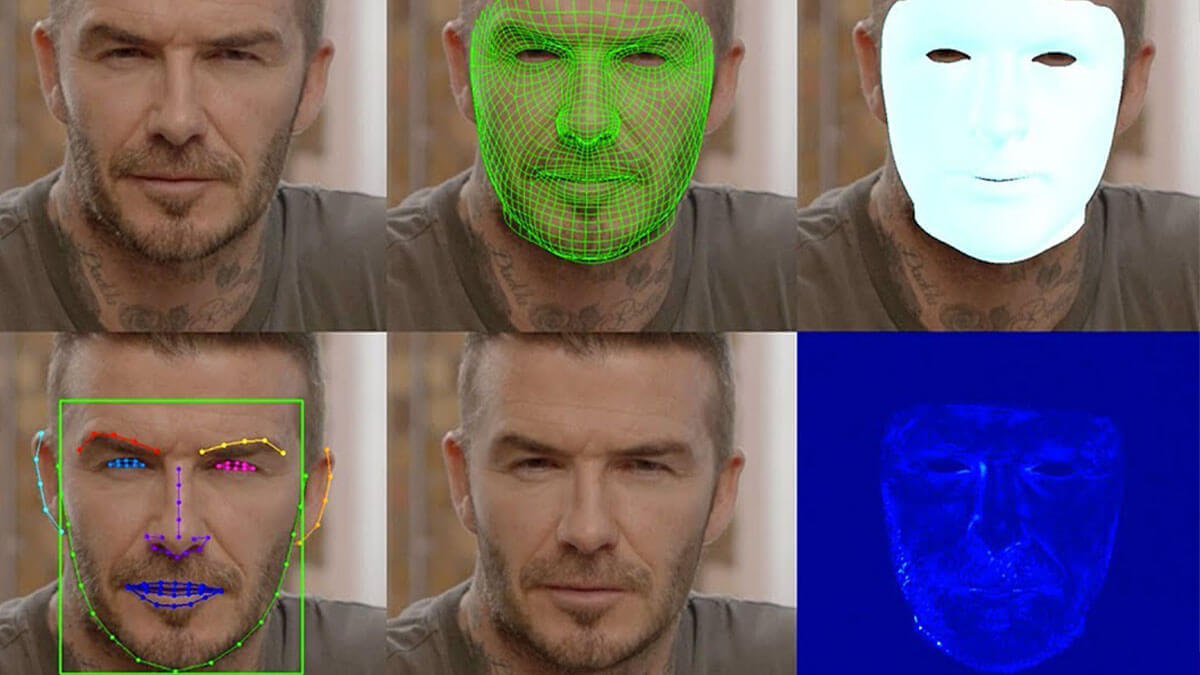
In the tech world, deepfakes specifically refer to media produced by artificial intelligence technology called generative adversarial networks. Deepfakes are video or audio that has been modified, such as by changing a face, the words spoken or the language used. The term was first coined on the internet in 2017 by combining “deep-learning” and “fakes”.
Zalando’s campaign ran on Facebook across 12 countries, gaining 180 million impressions across social media, according to Infinitizer, the micro-targeting specialist agency that worked on the campaign.
Advances in technology have made it harder to distinguish between real and fabricated media. Deepfakes have had a bad reputation, not least because the majority are fake pornography. Critics also point out the dangers of political deepfakes that might generate convincing fake news. “Any digital window to the real world is one that can be duped and faked sometimes,” acknowledges Sunny Dhillon, a VC who has invested in a deepfake marketing company.
© Artwork by Vogue Business

Like a rising number of marketers and investors, Dhillon emphasises the “absolutely positive” applications of the technology. As Covid-19 lockdowns restrict in-person activities, and advertisers explore digital technologies, deepfakes have significant potential for experiential marketing. Face-swapping technology, which once took weeks to execute, can now be completed in minutes with a result that is “Hollywood quality”, according to Reface AI co-founder Dima Shvets.
Experiential marketing tends to be associated with the physical environment, like pop-up stores, but deepfake technology can bring experiential marketing online, directly to consumers, says Dhillon. Examples might include interactive fashion weeks or gaming experiences, he says.
Dynamic influencer marketing
Dynamic campaigns — the term for micro-targeted ads at scale — are becoming a key tool in a marketer’s arsenal. Deepfakes have the potential to help brands reach customers with highly targeted and personalised messaging. For influencers and celebrities, deepfakes help them to easily broaden their reach by agreeing to front a fashion ad campaign and model clothes without even turning up for a photo shoot. Millions of different deepfake ads can instantly run across platforms like Facebook, while up to 100 different influencer ads targeted at various audiences could run, says Simon Lejeune, a growth marketing consultant.
It’s not a giant leap in a world where digital identities such as gaming avatars are already overlapping with real-life identities, while CGI models are mixing with real-life influencers. Imagine a new kind of deal, where an influencer provides a brand with a sample of 15 minutes of audio content and a few video shots. Using deepfake technology, a brand can transform that content into thousands of hyper-targeted ads. “Influencers might start licensing their faces and voices to brands,” says Lejeune. “A computer can take their faces and voices and reproduce them in 16 different languages or poses, and select the most persuasive one.”
Over the past year, brands have pivoted towards acquiring licensing and usage rights to influencer-produced content and using the content as ads from their brand channels, rather than paying influencers to post on their own feeds, says Emily Hall, campaign director at marketing agency Goat, which has offices in London, New York and Singapore. By acquiring usage rights, brands can decide on captions that better match their tone of voice or produce different cuts and edits of the content to post on whichever social media they consider most effective, with metrics available. “It gives brands an element of control,” says Hall.
Organic influencer content typically costs 5 per cent more, but acquiring usage rights could cost 20 to 30 per cent more than the original fee. “It’s still very good value for money,” says Hall. “The influencers are still creating content and doing the heavy lifting for the brands.”
Dynamic voiceover and deepfake videos offer huge potential for marketers in many sectors. A 2019 malaria awareness ad featuring David Beckham speaking nine languages showed how deepfakes can broaden the reach of a public message, receiving 400 million impressions globally within two months.
Deepfakes can also support influencers and content creators who are asked to create more live content but may not be exceptional performers in all media, says Dhillon. Hall agrees: “You’re taking away that risk of a human element, while still retaining a human touch.”
Hyper-personalised advertising
Chinese tech companies are further along in using deepfakes in marketing. In a July 2020 white paper about its plans for AI, Chinese tech giant Tencent emphasises that deepfakes are “not just about ‘faking’ and ‘deceiving’, but a highly creative and groundbreaking technology”. The company urged regulators to avoid clamping down on this nascent tech trend. For fashion, Tencent cited how deepfakes can show outfits on a broader variety of models with different skin tones, heights and weights. When consumers see products as extensions of themselves, they are willing to buy more, pay a higher price and advocate to friends, Harvard Business Review found.
Deepfakes can provide a route to “very quick understanding” for customers viewing new collections from a brand, says Matthew Drinkwater, head of the Fashion Innovation Agency (FIA) at London College of Fashion. He first started running deepfake experiments in 2019, when Microsoft sponsored a project that enabled his team to insert consumers in ads. “This isn’t about fit. It’s about giving you a first impression of how something might look.”
This month, Gucci has partnered with software firm Niantic to release a new collaboration with The North Face in a game of Pokémon Go. “Imagine if Gucci could take it one step further and send its top 50 clients personalised videos of themselves wearing the new collection,” Shvets of Reface AI says. In 2020, Reface AI enabled users to virtually try on Gucci clothes as part of a trial with Kering, resulting in one million swaps in a single day.
A demo of how the FIA, Superpersonal and Hanger uses deepfake technology to capture a user.
© Fashion Innovation Agency
Retailers can also hyper-personalise service using a deepfaked assistant to help with online enquiries who is a customer’s exact demographic and speaks their language. Rather than talk to a faceless bot, shoppers could talk to a “real” face, which could enhance trust, says Drinkwater. “All of the indications are that if you’re able to personalise content, consumers are more likely to engage, so there’s a real practical application for the industry to start using this more widely.”
Some form of regulation is likely, notes marketer Lejeune. Potential discretion could include labels clarifying that deepfakes are not real people, he says. Dhillon adds that blockchain has potential as a future means of tracking authenticity.
Consumer data protection is another hot subject. Supporters of deepfakes say that the success of existing face-swap apps shows that consumers are comfortable with sharing their data. In 2019, AI photo editor FaceApp, which enables users to change their facial expressions, looks and age, was a viral hit. In 2020, Sway, an AI-powered app that enables users to visualise themselves dancing, became the third most downloaded app in the US during Super Bowl weekend.
The ethical implications of deepfakes have yet to be fully explored, suggests FIA’s Drinkwater. But he is convinced deepfakes are here to stay. “The technologies that surround artificial intelligence and machine learning are already critical to how brands can manage different aspects of their business, from their supply chain to marketing and communications. [Adoption] is not so much a pivot but a deepening commitment to technology and deep learning.”
To receive the Vogue Business newsletter, sign up here.
Comments, questions or feedback? Email us at [email protected].
More from this author:
Fashion preps for the longest summer ever
How fashion got marketing right in 2020
How luxury department stores are navigating the holiday season







