


ISTOCK.COM/AK2
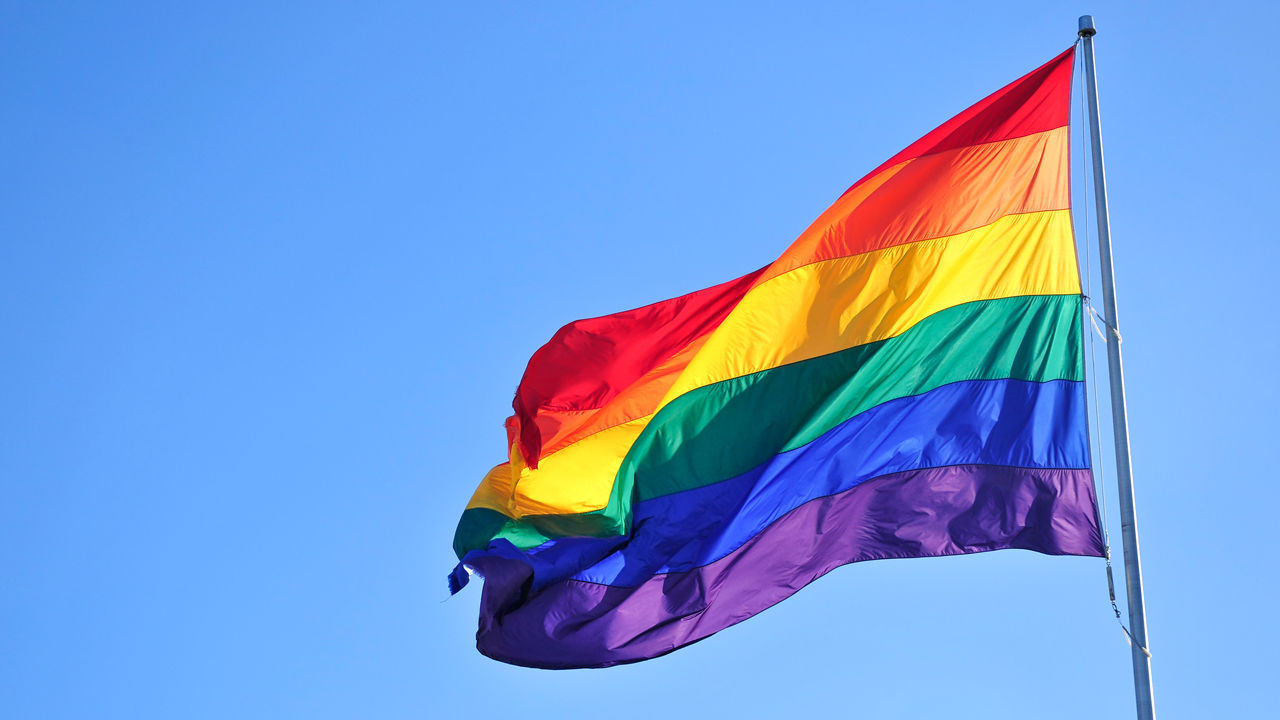
In 2018, the U.S. National Science Foundation (NSF) raised the hopes of many LGBTQ scientists when it announced it would explore adding questions about sexual orientation and gender identity to its workforce surveys, starting with the 2021 National Survey of College Graduates (NSCG). But that timeline hasn’t held up: Last month, the U.S. Office of Management and Budget approved NSF’s plans for its 2021 NSCG—and it doesn’t include a question about sexual orientation. A modified gender question with options other than “male” and “female” will appear, but only for a 5000-person test sample of the approximately 169,000 total survey recipients. And the agency has not released the exact wording, which has raised concerns over whether the question will yield reliable data and be sensitive to the transgender community.
NSF’s suite of seven workforce surveys—which includes the Survey of Earned Doctorates (SED), an annual census of the more than 50,000 scholars who earn U.S. doctorates each year—provides crucial data about the demographics of U.S. researchers, including information about disciplines, race and ethnicity, citizenship status, and more. These data help inform policy decisions and, crucially, document which groups are underrepresented in science—information that’s sometimes needed to qualify for funding mechanisms offered by NSF and other agencies for underrepresented groups. “Until we have the data, the LGBTQ community will not benefit from any of those resources,” says Stephanie Farrell, an education researcher at Rowan University who studies LGBTQ inclusion in engineering.
NSF’s delays are “curious—it’s a head scratcher,” says Nancy Bates, a recently retired U.S. Census Bureau statistician who co-chaired a federal interagency working group tasked with improving the measurement of sexual orientation and gender identity in federal surveys. A number of agencies—including the Department of Education starting back in 2016—have moved forward with testing and implementing such questions, she says. “It’s successfully being captured on a lot of federal surveys right now.”
An NSF spokesperson, in a statement to Science Careers, acknowledged the importance of the data for researchers and policymakers. The spokesperson added that the agency is conducting internal research and waiting for federal recommendations for standardizing data collection across agencies.
It’s “frustrating,” says Jon Freeman, a psychologist at New York University who has spent years publicly pushing NSF to collect these data. Earlier this year, NSF moved quickly to add COVID-19–related questions to the SED. “It just blew my mind that … they piloted it and they implemented it on the real survey in a matter of months.”
“I work at a public institution so I can empathize with the bureaucracy,” says Bryce Hughes, an education researcher at Montana State University who documented lower retention rates for gay men pursuing science, technology, engineering, or math bachelor’s degrees than for their heterosexual peers. “I still think that there’s an urgency behind getting the questions added,” he adds—partially because of the funding issue, and also because simply asking them on a federal survey acknowledges the importance of LGBTQ scientists.
Related
NSF has yet to finalize the wording of its updated gender question, but an agency spokesperson confirmed it will include two parts: one about respondents’ current gender identity and one about their assigned sex at birth. This approach—which is recommended by a number of reports, including one published by the National Academies of Sciences, Engineering, and Medicine this year—is based on research indicating a single question might undercount transgender individuals, some of whom don’t identify with the label “transgender” and may opt to select “man” or “woman” instead of “transgender man” or “transgender woman,” for example.
But others have concerns about this method. “Asking ‘What sex were you assigned at birth?’ is a question that … can be traumatizing to answer” for some people, says Beck Strauss, a planetary geophysicist from the U.S. National Institute of Standards and Technology, on detail at NASA’s Goddard Space Flight Center. Strauss, who is nonbinary, presented a poster about nonbinary earth and space scientists at last week’s American Geophysical Union conference.
How best to phrase questions about gender identity is “contentious and hotly debated among people like myself that research trans populations,” says Avery Everhart, a Ph.D. student at the University of Southern California who is transgender. She acknowledges the risk of undercounting transgender scientists but dislikes the intrusiveness of the two-question approach. Instead, she’d like to see NSF give respondents a wide variety of options for describing their gender identity; the agency may also want to allow respondents to check multiple boxes. “The hope is that there would be enough trust in the institution and what it’s trying to accomplish with such a questionnaire that they would answer in a way that identifies themselves as trans.”
But unless NSF takes steps “to actually earn favor and trust” with the community, Everhart adds, some LGBTQ researchers will be reluctant to disclose their sexual or gender identity to the federal government. “That’s ultimately perhaps an even bigger barrier than the methods.”







