

“My Economy” tells the story of the new economic normal through the eyes of people trying to make it, because we know the only numbers that really matter are the ones in your economy.
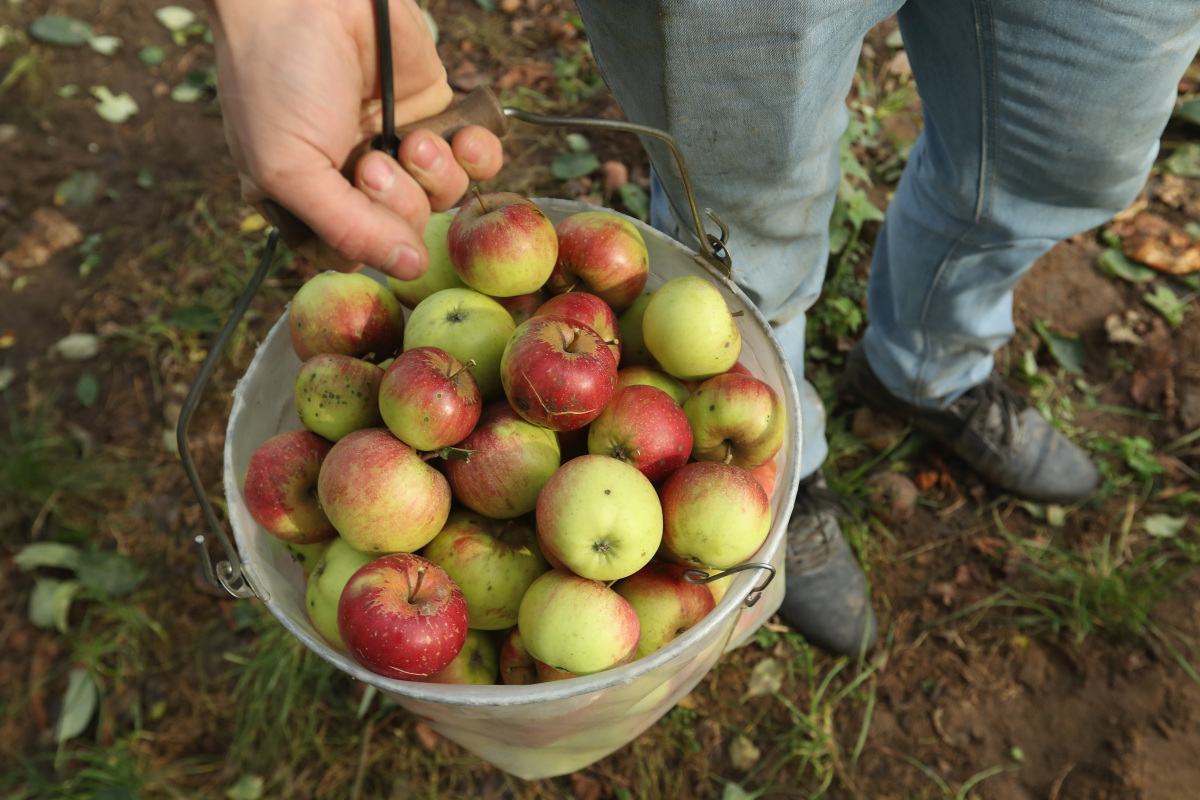
Fall is by far the busiest time of year for Al Rose’s business, Red Apple Farm in Phillipston, Massachusetts. “When it comes to fall, especially in New England, everyone identifies with that rite to passage of going apple-picking or having hot cider doughnuts,” Rose said. He wasn’t sure what demand would look like this year because of coronavirus.
“Looking out ahead of the fall, being that is our lion’s share of our income, we were quickly trying to figure out what other adaptations we had to make,” he said. He rented four hand-washing sinks to put around the farm and created an online reservation system for people to reserve times to pick apples, pumpkins and other produce.

“The demand has been kind of through the roof, it’s been unprecedented,” Rose said. “We weren’t expecting the same business in the fall, but the demand from Labor Day weekend was huge, probably 50% higher.”
In addition to pick-your-own apples, Red Apple Farm has offered dig-your-own potatoes for around 20 years, Rose said. Usually, it was mostly school groups on field trips that participated. But this year, Rose said people were “ecstatic” about it.
“We had well over 500 people dig [their] own potatoes this year,” he said. “We know next year we’re gonna have to double our potato field.”
Despite the demand for pick-your-own this year, Red Apple Farm has faced some negative consequences from the pandemic. They had to refund some customers who had scheduled weddings on the farm, and aren’t doing the usual hayrides this season. However, Rose is optimistic about how this year is turning out.
“This happened in 2001, with 9/11. We had a lot of people that came to the farm,” he said. “People needed to connect with something that was tangible, and there was a security and authenticity of being at a farm. We’re seeing that this year with COVID as well. The farm really resonates with people.”
Let us know how your economy is doing using the form below, and your story may be featured on a future edition of “My Economy.”
How are Americans feeling about their finances?
Nearly half of all Americans would have trouble paying for an unexpected $250 bill and a third of Americans have less income than before the pandemic, according to the latest results of our Marketplace-Edison Poll. Also, 6 in 10 Americans think that race has at least some impact on an individual’s long-term financial situation, but Black respondents are much more likely to think that race has a big impact on a person’s long-term financial situation than white or Hispanic/Latinx respondents.
Find the rest of the poll results here, which cover how Americans have been faring financially about six months into the pandemic, race and equity within the workplace and some of the key issues Trump and Biden supporters are concerned about.
Are people still waiting for unemployment payments?
Yes. There is no way to know exactly how many people have been waiting for months and are still not getting unemployment, because states do not have a good system in place for tracking that kind of data, according to Andrew Stettner of The Century Foundation. But by his own calculations, only about 60% of people who have applied for benefits are currently receiving them. That means there are millions still waiting. Read more here on what they are doing about it.
What’s going to happen to retailers, especially with the holiday shopping season approaching?
A report out Tuesday from the accounting consultancy BDO USA said 29 big retailers filed for bankruptcy protection through August. And if bankruptcies continue at that pace, the number could rival the bankruptcies of 2010, after the Great Recession. For retailers, the last three months of this year will be even more critical than usual for their survival as they look for some hope around the holidays.
As a nonprofit news organization, our future depends on listeners like you who believe in the power of public service journalism.
Your investment in Marketplace helps us remain paywall-free and ensures everyone has access to trustworthy, unbiased news and information, regardless of their ability to pay.
Donate today — in any amount — to become a Marketplace Investor. Now more than ever, your commitment makes a difference.







