

All good marketing is rooted in research, so the first step in place branding is analysis of strengths, weaknesses, opportunities and threats (SWOT). The SWOT is developed with input from key stakeholders in the community, as well as audiences outside of the community. Local participants can provide insight into an area’s unique offerings and culture, while outsiders can provide an unbiased, fresh take on an area’s perception. Meetings, interviews, surveys, etc. with these groups and individuals help to create an inventory of, and identify gaps in, creative assets and resources.
Once this data has been compiled, the community message should become clear so the brand can begin to take shape, and decisions on logos, colors, symbols and imagery are made. Then, a marketing plan can take shape to lay out the activation, tactics and trajectory of the brand.
The goal of this type of marketing is primarily attraction. The main objective is to increase awareness, perception and consideration of the city or region as a place to live and/or locate, or expand a business. Also, ultimately, with an increase in investment in the area, the brand would continue to benefit all local stakeholders, including government, businesses and civil society.
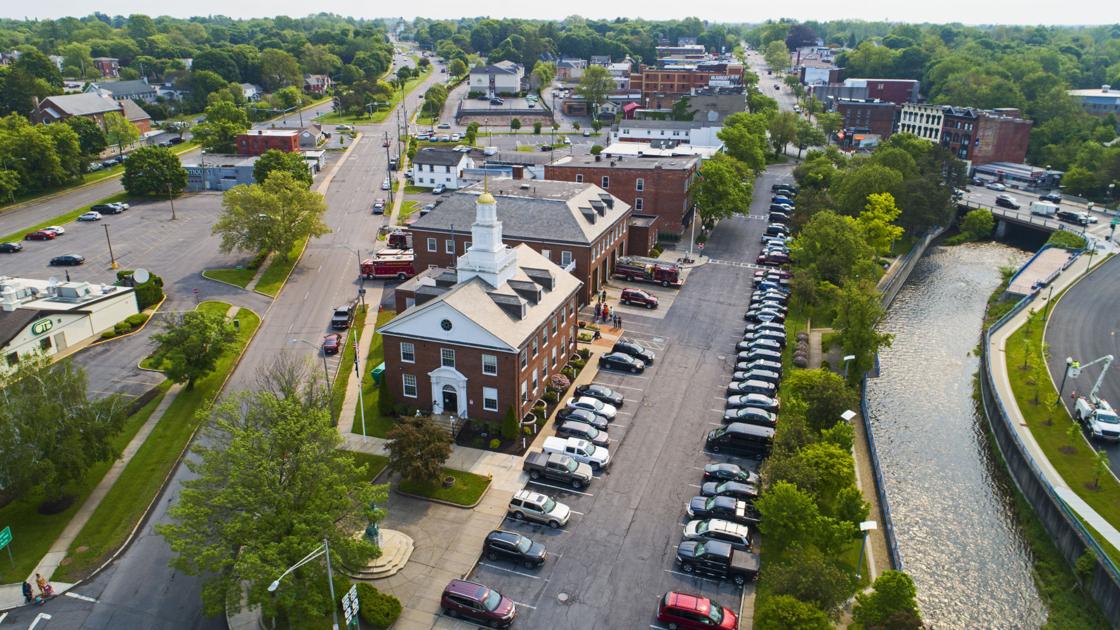
The Auburn Industrial Development Authority recently issued a request for proposals from marketing agencies for the development of a place brand for the city of Auburn. This would be a first-of-its-kind project for AIDA and the city, and as such, the RFP is partly an exploration to figure out what a project of this scope might look like from a budget perspective and what agencies have the capacity to produce a comprehensive and quality effort.







