


“Recent evidence suggests that children likely have the same or higher viral loads in their nasopharynx compared with adults and that children can spread the virus effectively in households and camp settings,” the guidance states.
Transmission of the virus to and among children may have been reduced in spring and early summer due to mitigation measures like stay-at-home orders and school closures, the CDC says.
“So if I’m put into a classroom of 30 or more kids, it’s a small room, there’s one exit, the ventilation isn’t all that great for schools,” Arizona teacher Matt Chicci, who quit his job, told CNN. “It’s not a good situation.”
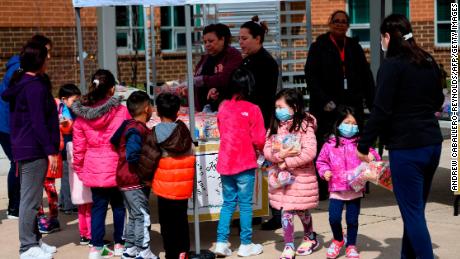
North Paulding High School, which came under scrutiny when a student shared a photo of a crowded hallway days after school reopened, reported 12 cases in school and 21 total cases during the week of August 8 to 14.
The Paulding County School District (PCSD) says, “Cases in School is the number of confirmed cases of Covid-19 who spent at least some time on a school campus during the week reported.”
The phrase “total cases” refers to the “Cases in school” and also “Students/staff who may have been out of school for any reason and tested positive; Students/staff who were identified as close contacts in another case and then tested positive while in quarantine; Virtual students who are enrolled at the school where they are listed but learn remotely online,” the district says.
Saturday, New York Gov. Andrew Cuomo said hospitalizations for Covid-19 across the state were at a new low since March 17.
New York was the pandemic’s hotbed early on. It now reports 523 people hospitalized for the virus, Cuomo said in a press release.
Meanwhile, the Florida Department of Health reported 6,352 new cases and 204 more deaths on Saturday. This makes 53 straight days of more than 4,000 cases in single day, according to CNN’s tally.
Black and Latino populations hit hard in hotspots
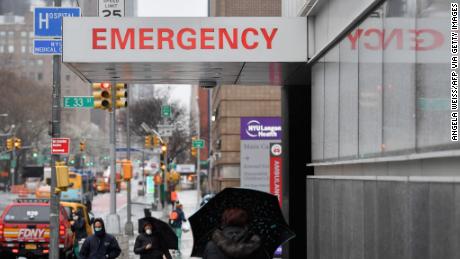
“These findings illustrate the disproportionate incidence of Covid-19 among communities of color, as has been shown by other studies, and suggest that a high percentage of cases in hotspot counties are among person of color,” said the authors.
“[It] helped us alter our strategy so we could increase our outreach, add additional testing sites, just really help our communities of color prevent their exposure to Covid-19,” said Jeanette Kowalik, commissioner of health at the Milwaukee Health Department.
Kowalik said the data drove conversations that wouldn’t have taken place if officials weren’t aware more people of color were impacted by the virus.
Doctors warn of lasting heart complications
With new evidence and data on the virus emerging almost weekly, health officials now have another warning: the risk of death from coronavirus-related heart damage seems to be far greater than previously thought, the American Heart Association said.
Inflammation of the vascular system and injury to the heart occur in 20% to 30% of hospitalized coronavirus patients and contribute to 40% of deaths, the association said Friday.
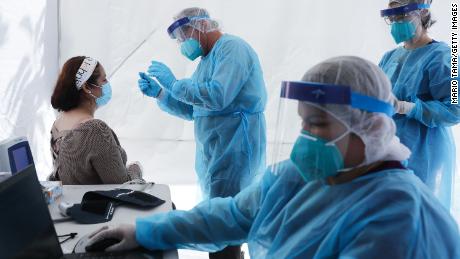
Dr. Mitchell Elkind, the association’s president, said that the cardiac complications of Covid-19 could be “devastating” and linger after recovery.
The AHA said research indicates coronavirus could lead to heart attacks, acute coronary syndromes, stroke, blood pressure abnormalities, clotting issues, heart muscle inflammation and fatal heartbeat irregularities.
It’s a statement that’s long been hinted by coronavirus patients across the country, whose bodies were attacked in different ways by the coronavirus.
There is a critical need for more research, Elkind said.
“We simply don’t have enough information to provide the definitive answers people want and need.”
CNN’s Alta Spells, Andrea Kane, Aditi Sangal, Lauren Mascarenhas and Naomi Thomas contributed to this report.







