

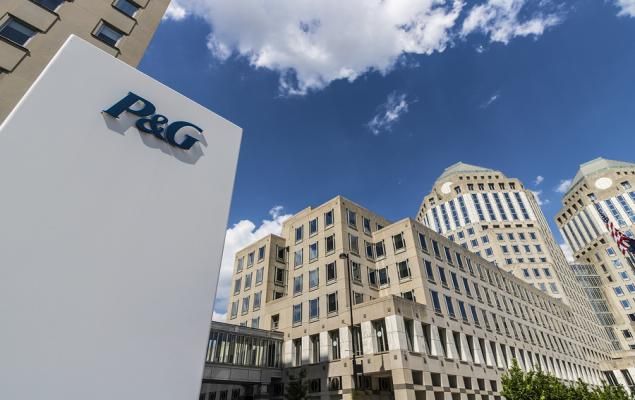
The Procter & Gamble Co. PG, also known as P&G, has been at the forefront despite the looming impacts of the coronavirus pandemic. The company has been a gainer due to the pandemic-led spike in demand for everyday cleaning and disinfecting supplies. It has been witnessing robust organic sales growth, owing to increased shipments of its household cleaning, personal health and cleansing products as well as pricing gains.
Encouragingly, it issued an upbeat fiscal 2021 view. However, currency fluctuations have weighed on margins and are likely to affect fiscal 2021 results. Additionally, stiff competition remains a woe.
Notably, the Zacks Rank #3 (Hold) company has a market capitalization of $336.8 billion. In the past three months, the stock has gained 19%, which is at par with the industry’s growth. Moreover, it has comfortably outpaced the Consumer Staples and the Zacks S&P 500 composite’s growth of 14.2% and 16.5%, respectively.

Why Procter & Gamble Should Retain the Momentum
Procter & Gamble is expected to continue its trend of delivering robust organic sales growth, thanks to the strong consumer demand for the company’s products in North America and China due to the pandemic-led rise in organic shipment volume. Moreover, all of its business segments, except for Grooming, are witnessing strong organic sales growth.
Procter & Gamble’s products play a key role in meeting the daily health, hygiene and cleaning needs of consumers around the world. This led to increased consumer demand for its products during the coronavirus pandemic when consumers are essentially at home to curb the spread of the virus. The company’s efforts to make its cleaning and personal care products available during this crisis have helped bolster sales. It witnessed an increased demand for hand soaps, detergents and surface-cleaning products in particular. Further, the company’s product supply planning and logistic organization played an essential role in supplying goods.
Procter & Gamble remains focused on productivity and cost-saving plans to boost margins. The company’s continued investment in the business alongside efforts to offset macro cost headwinds and balanced top- and bottom-line growth underscores its productivity efforts. It is witnessing cost savings and efficiency improvements across all facets of business in the second five-year (fiscal 2017-2021) $10-billion productivity program.
Notably, the company’s core currency-neutral gross and operating margins reflected significant gains from productivity savings and pricing in fourth-quarter fiscal 2020. Core gross margin (on a currency-neutral basis) expanded 250 basis points (bps), owing to benefits from gross productivity savings, higher pricing and commodity cost declines. Core currency-neutral operating margin expanded 190 bps in the quarter, including 440 bps of total productivity cost-savings.
For fiscal 2021, the company anticipates sales growth of 1-3%, with organic sales growth of 2-4%. Earnings, on a reported basis, are likely to rise 6-10%, with core earnings growth of 3-7%.
Possible Deterrents
Despite the positives, the company’s significant international presence exposes it to foreign currency risks, which have been weighing on its performance. Notably, currency fluctuations hurt core gross margin by 40 bps in fourth-quarter fiscal 2020. Further, it is expected to hurt sales by 1% in fiscal 2021. Also, the fiscal 2021 earnings view takes into account an after-tax headwind of $300 million due to currency woes, which are likely to be more than offset by $275-million after-tax benefits related to reduced commodity costs.







