

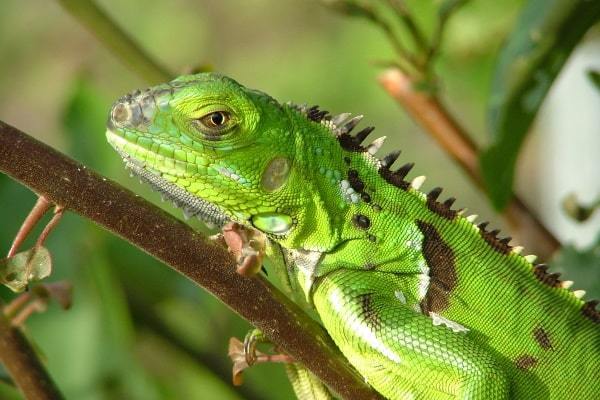

(CNS): Measures taken by government to curb the spread of COVID-19 put the nationwide green iguana cull on hold for several weeks, just as the pesky reptile moved into its breeding season. With exemptions now in place for the consultants managing the cull and around 50 top cullers, war on this invasive species has restarted. However, the shutdown set the project back significantly, as many iguanas have already laid their first batch of eggs.
In an effort to regain control of the numbers, the Department of Environment, working with cull managers Cornwall Consulting, has laid out strict protocols for the reduced army of cullers, who must now call ahead to make an appointment to drop off carcasses at the dump, DoE Deputy Director Tim Austin told CNS.
With social distancing in mind, only one culler is allowed to deliver at a time and the paperwork had been replaced with online documentation.
Cullers officially registered with the programme at the beginning of this year were forced to stop operations on 24 March as a result of the COVID-19 shutdown. This was particularly bad timing for the cull because of the need to target breeding adults before they reproduce to head off a potential population explosion later this year.
“April and May would normally be critical months in the cull cycle as not only are breeding iguanas more active as they seek a mate, the reduction in leaf cover brought on by the end of the dry season also increases their visibility,” according to an article in the latest issue of the DoE’s online magazine, Flicker.
Since the programme started in October 2018, cullers had managed to rid Grand Cayman of almost 1.2 million green iguanas. But to ensure that effort is not wasted, it is important to get cullers out again as soon as possible. So, after curfew restrictions were eased and because the work is largely done by people working alone and outdoors, the project secured exemptions last week to allow the consultants to begin receiving carcasses and for some cullers to work.
Although only the top cullers are back on the job, the average daily number of iguanas killed is already 425, which compares favourably to the 470 average just before the shutdown.
The DoE experts have estimated that during the six weeks when cullers were unable to hunt, around 16,000 iguanas thrived instead of died and now had an opportunity to breed. While cullers are bringing in iguanas with eggs to the culling station, some have already laid.
“An intensive culling effort is needed to make up for lost time and to remove iguanas before the nests are in the ground,” Austin said.
The department is hoping that, given the reduction in economic and tourist activity, iguana culling may represent a lucrative alternative as soon as more restrictions are lifted and the DoE can begin a new registration of Caymanians to help fill the gap created by the lockdown.
The curfew has also restricted plans to conduct a field survey of the iguana population, as DoE staff have been working from home like many other civil servants. They survey, which was planned for April, was intended to measure the impact of the cull on the population, which would direct the future effort to bring this invasive species to a long-term manageable level.
DoE-led culls in the Sister Islands were also abandoned due to inter-island travel restrictions, but volunteers on both Little Cayman and Cayman Brac have been keeping up the pressure by following up on any reported sightings.
Biosecurity efforts continue as normal in Little Cayman. Every time the barge docks from either Grand Cayman or Cayman Brac it is inspected for green iguanas or any other stowaway wildlife.







