

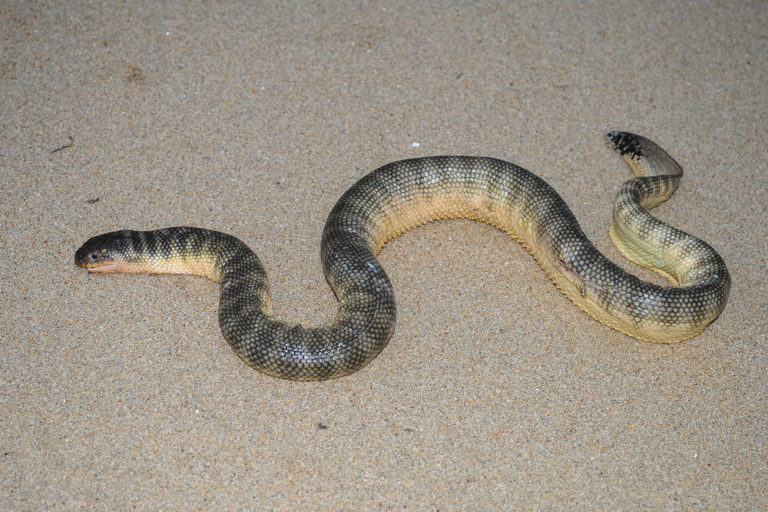
- A first-time field study of reptiles and amphibians in Sri Lanka’s previously conflict-ridden Jaffna Peninsula has listed 18 previously unrecorded species.
- The new study includes observations from 10 habitat types and a review of previous scientific literature and museum specimens, and resulted in a list of 69 reptiles and 15 amphibians.
- While many herpetofaunal surveys have been carried out in the wet zone of the species-rich Indian Ocean island, there has been scant research in the dry zone, which includes Jaffna and constitutes the majority of Sri Lanka’s land mass.
- To conserve both the species and their habitats, the researchers have called for scientific land-use planning, natural resource management and infrastructure development, as well as community-based programs to spread awareness.
COLOMBO — When a group of herpetologists ventured into Jaffna in Sri Lanka’s north to conduct their first herpetological field survey of the peninsula, they were largely lured by the unknown. This was a part of Sri Lanka that had been largely cut off from the rest of the island by a decades-long civil war, and remained so even after the fighting was over.
With no previous herpetological studies to guide them, barring the occasional subgroup reptile studies or technical reports, the team ended up documenting 18 species previously not recorded from the geographically isolated peninsula.
The new study, published in the Russian Journal of Herpetology last November, “was a first attempt to explore a strategic location in the island’s North which was not open to research activity due to security concerns,” the researchers say.
Lead author Thilina Dilan Surasinghe, an associate professor of ecology and conservation biology at Bridgewater State University in the U.S., told Mongabay that the Jaffna Peninsula has not had a baseline survey of its reptiles and amphibians for a long time.
“The civil war prevented any such research from taking place,” he said. “To support conservation actions, it is imperative to document species distribution and to fill gaps on species inventories. Our work helps satisfy some of these needs that can contribute to nationwide efforts in conservation assessments, distribution assessments, and regional conservation planning.”

The civil war ran from 1983 until 2009 and was concentrated in the country’s north, including Jaffna. For nearly 40 years the region was mysterious terrain, waiting to be explored and holding much potential, according to study co-author Sameera Suranjan Karunarathna.
Sri Lanka has a remarkable diversity of herpetofauna, and over the years there have been extensive studies of the island’s reptiles and amphibians. But most of these studies have occurred in the more accessible wet zones; studies in the dry zone, which include Jaffna, have been sparse, even though 60% of the island’s land mass falls within the dry zone.
The new study is the first attempt to compile a baseline for Jaffna’s amphibian and reptile diversity, intended to support future studies and science-based conservation efforts and management actions specifically targeting the peninsula’s dry zone ecosystem complexes.

Lack of previous studies
The team’s research included a short but critical first-time field survey and a review of the scientific literature and museum specimens. It yielded a total of 84 species: 69 reptiles and 15 amphibians. The field observations alone, made in 10 habitat types, accounted for 44 of the reptiles, including three designated as nationally threatened, one as globally threatened, and eight as endemic to the region.
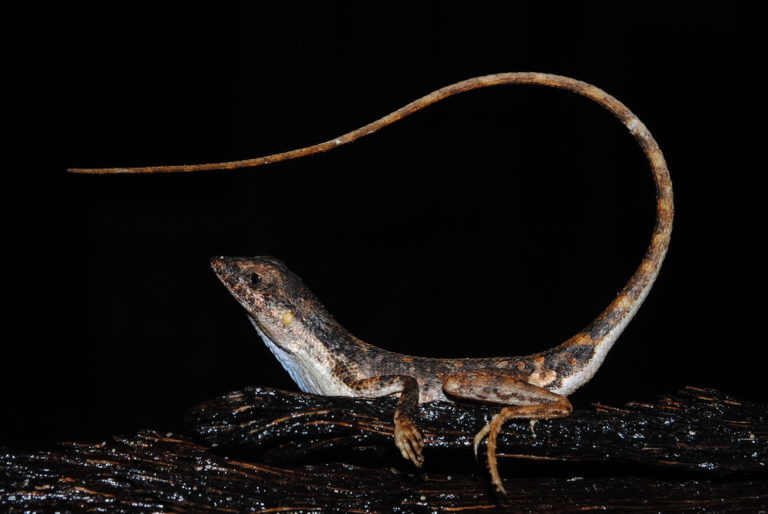
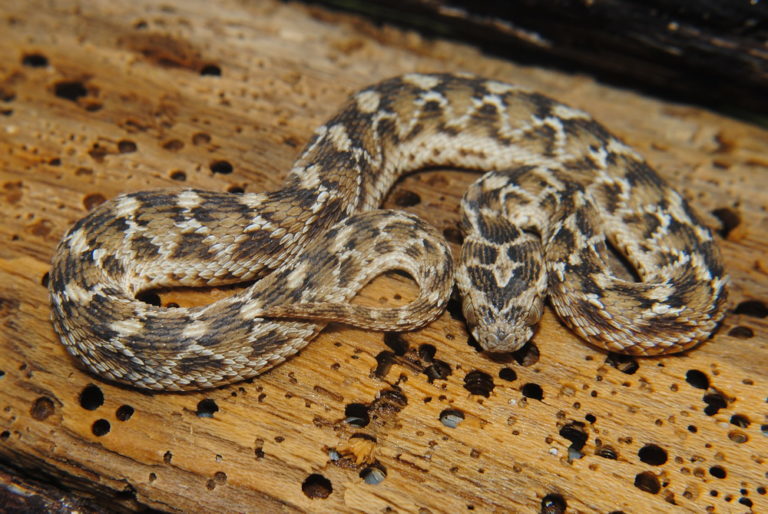
The reptile species they encountered included the Sri Lanka bronze skink (Eutropis madarzi), the bronze grass skink (Eutropis macularia), Russell’s boa or rough-scaled sand boa (Eryx conicus), saw-scaled viper (Echis carinatus), Schneider’s dwarf toad (Duttaphrynus scaber), and the mugger or marsh crocodile (Crocodylus palustris).
The skittering frog (Euphlyctis cyanophlyctis) was the most abundant amphibian they found, and the oriental garden lizard (Calotes versicolor), the most abundant reptile. The oriental ratsnake (Ptyas mucosa) was the most common species of snake.

Among the different habitats surveyed, inland water bodies showed the highest species richness and abundance for all herpetofauna, and salt marshes the lowest. The research highlighted the significance of inland water bodies, cultivated lands, home gardens and coastal beaches for native herpetofauna. The other types of habitats surveyed included grasslands, mangroves, commercial scale or abandoned monoculture plantation, road verges, salt marshes, and scrublands.
“Although amphibian diversity is lower in the dry zone, reptile diversity can still be substantial,” Surasinghe said. “In general, infrastructure for research in the dry zone is not very satisfactory.”
Karunarathna said the peninsula’s geographical isolation from the rest of Sri Lanka meant there was a possibility of finding Indian species there. “But there were no old records available,” he said.
Their research listed 18 species never recorded in previous studies or among museum specimens. Surasinghe said it’s possible the brief survey may have missed some species. “A much longer survey may have revealed a few more species. Rapid biodiversity assessments are not always comprehensive and are not meant to be exhaustive,” he said. “On the other hand, lack of sound, scientifically informed conservation practices and even historical changes in land uses as well as exploitative ventures could also be responsible.”
Threats to conservation
The study also helped the team identify a number of threats to Jaffna’s reptiles and amphibians, including revenge killing of species seen as pests or dangerous to humans, road kill, construction of post-war housing and other infrastructure projects, as well as logging for firewood and timber.
The study area is a hub of activity now, with post-war development in full swing, adding fresh concerns about habitat conservation of the species observed. To conserve both the species and their habitats, the researchers have called for scientific land-use planning, natural resource management and infrastructure development, as well as informal education activities such as community-based programs to mitigate revenge killings and other consumption-driven threats.
“The threat of habitat loss is already [here], with some land development happening in the region, particularly with new resettlement efforts,” Surasinghe said. “A decade after the war came to an end, no proper conservation actions have been set up for this region.”
Citation:
Madwala, M., Surasinghe, T., De Silva, A., Gabadage, D., Botejue, M., Peabotuwage, I.,.. Karunarathna S. S. (2019). Reappraisal of herpetofauna recorded from Jaffna Peninsula in Northern Sri Lanka with remarks on conservation, diversity, and distribution. Russian Journal of Herpetology, 26(5), 247-260. doi:10.30906/1026-2296-2019-26-5-247-260
Banner image of a Shaw’s sea snake (Hydrophis curtus),a highly venomous and fully marine species was among the snakes recorded during the herpetofaunal study in Sri Lanka’s Jaffna peninsula, courtesy of Dushantha Kandambi.







