


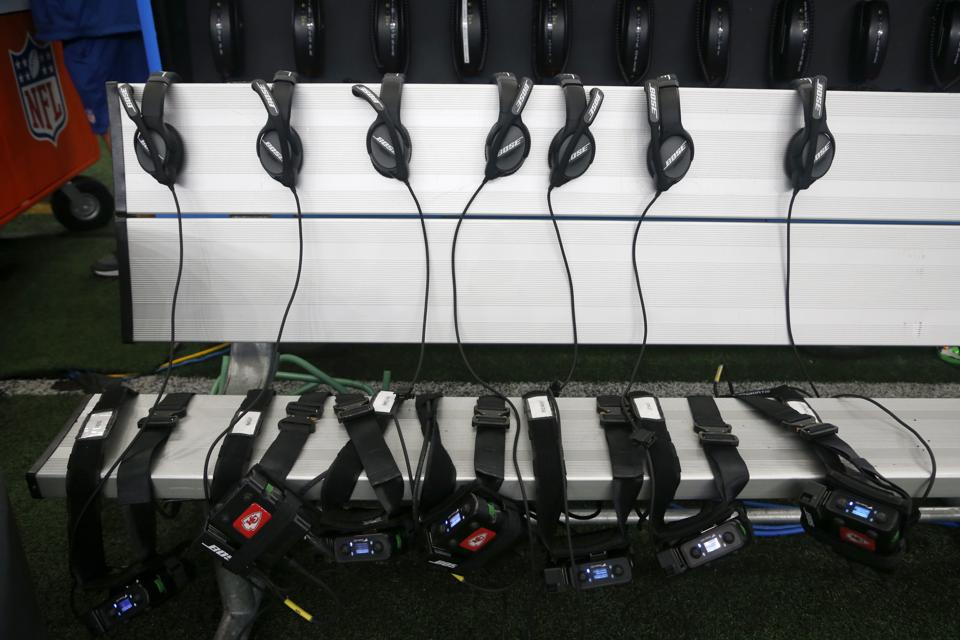
Bose headsets and radios sit on a bench before an NFL football game. Photo: Michael Ainsworth.
With its first brick and mortar location opening in 1993 in Kittery, Maine, audiophile brand and sound manufacturer, Bose, announced that it will begin to close 119 retail stores in North America, Europe, Japan, and Australia. The remaining 130 physical stores across India, Southeast Asia, South Korea, China, and the United Arab Emirates will remain undisturbed.
In an official statement, Bose Corporation’s VP of Global Sales explains the reality of closing nearly half of the company’s retail locations, “originally, our retail stores gave people a way to experience, test, and talk to us about multi-component, CD and DVD-based home entertainment systems,” said Colette Burke. “At the time, it was a radical idea, but we focused on what our customers needed, and where they needed it — and we’re doing the same thing now.
Dr. Amar Bose (1929-2013), the accidental billionaire behind the iconic audio brand, was the son of a Bengali freedom fighter and an American teacher who would repair radios in the neighborhood as a teenager. A three-degree graduate and professor of M.I.T., Amar was a stickler for sound design, always working to perfect the quality of his creations and bring orchestra-worthy audio experiences to the masses. With 2019 revenues of $4B, Bose employs over 9,000 people and is headquartered in Massachusetts, maintaining a close distance and strong relationship with its main shareholder, M.I.T.
After strong encouragement from his mentor and advisor, Dr. Y. W. Lee and based on nearly half-a-century worth of research on acoustics primarily studying the measurements and recordings of the Boston Symphony interiors, Bose was born in 1964. It became the first company to make widely adopted noise-cancelling headphones, synonymous with commercial pilots and NFL coaches. Bose audio systems for cars quickly followed with the memorable slanted “BOSE” logo burned into the dashes of many high-end vehicles, translating the brand’s utility into the lifestyles of many consumers. As iPhone and Android came to market, Bose turned its focus to mobile, Bluetooth, and Wi-Fi creating solutions.
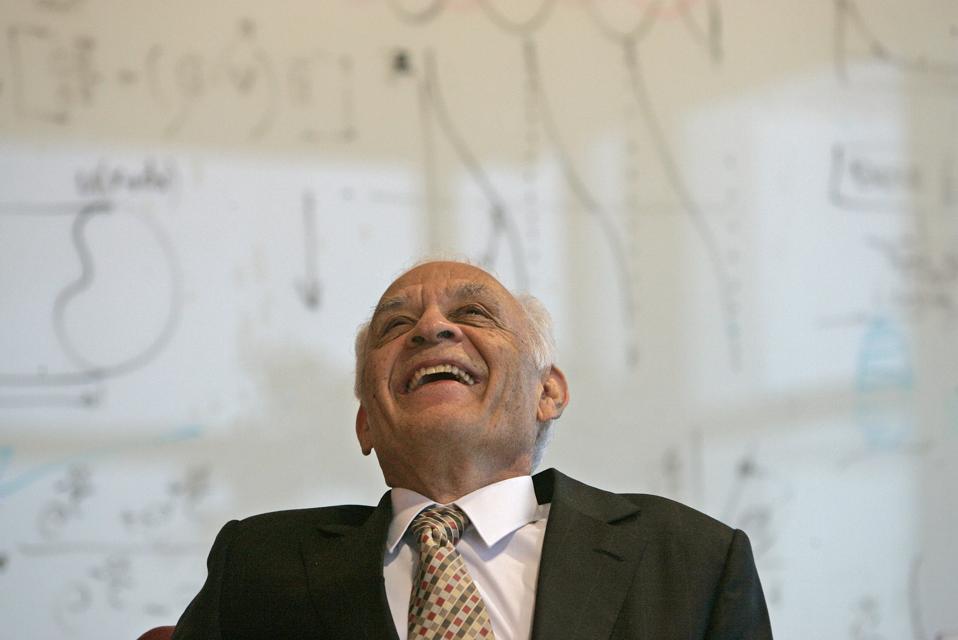
Dr. Amar G. Bose, Founder of the Bose Corporation. Photo by Barry Chin.
In an obituary to Amar G. Bose, in The New York Times, journalist Glenn Rifkin shares the massive community achievements of Bose’s proprietary technology, “a Bose software program enabled acoustic engineers to simulate the sound from any seat in a large hall, even before the site was built. The system was used to create sound systems for such diverse spaces as Staples Center in Los Angeles, the Sistine Chapel and the Masjid al-Haram, the grand mosque in Mecca.”
In 2020 it is no surprise retailers, particularly in audio, are moving online – that is where consumers are. Because of the service journalism of fellow consumers, digital product marketing, and online media coverage, the masses no longer need a physical location to make buying decisions about products. E-commerce instead of of brick and mortar sounds logical if you take into account skyrocketing rents in major cities, staffing and inventory management, and marketing to get people into your store.
“It’s still difficult, because the decision impacts some of our amazing store teams who make us proud every day,” says Ms. Burke, “they take care of every person who walks through our doors — whether that’s helping with a problem, giving expert advice, or just letting someone take a break and listen to great music. Over the years, they’ve set the standard for customer service. And everyone at Bose is grateful.”
Bose is premium example of a heritage company with relevancy and impact in a digital word. Although most know the company through its consumer products, there are other avenues that diversified Bose – including military contracts and automotive. By focusing on what they do best, the company has been able to maintain sizeable market share backed by consumer trust for 56 years.
Bose will be offering outplacement assistance and severance to affected employees. Additional details, including the number of employees affected, will remain private.







